

Professional service, from the first call
Here's how an inspection runs, from the first call to the follow-up.

Getting the right inspection booked
We start by understanding the property and what you need from the inspection, then confirm the type of inspection that's right for the job and arrange access with you or your agent.
What we check, and how
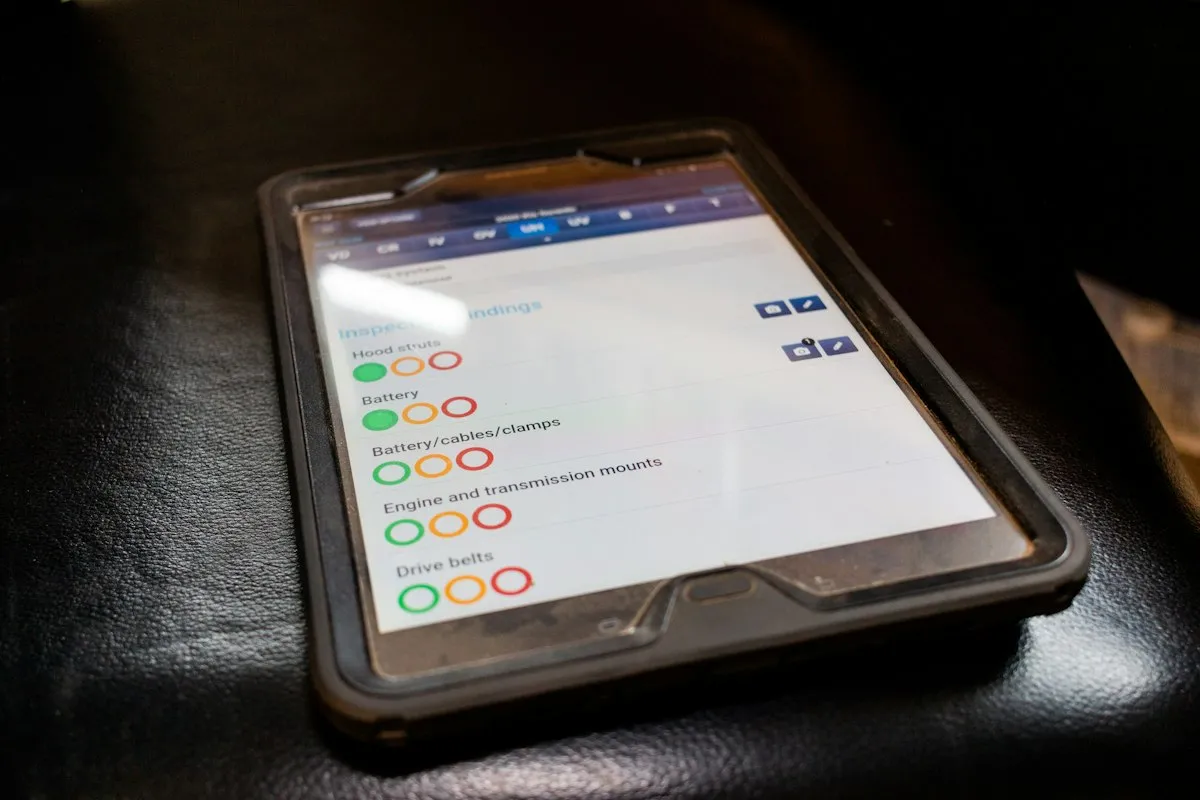
Our Registered Building Practitioners assess safety hazards, major defects, minor defects and maintenance items on a Pre-Purchase or Standard Property Inspection. Other inspection types, including new construction, dilapidation and mould, focus on what matters for that job. Every inspection covers what's safely accessible on the day, and you're welcome to walk through with us and ask questions as we go.

A clear report, then a conversation
Once we've walked the property, we compile a comprehensive, photo-rich report and send it to you (and your agent, if you'd like) within 24 hours. Then we ring you to talk through what we found.
Every area, area by area
Expand an area for what we're looking at. Every inspection covers what's safely accessible on the day.
How we assess each issue
Our building consultants follow a consistent approach, so every issue in your report answers the same five questions.
- 1What is the defective condition observed?
- 2Where is it located?
- 3Why has it likely occurred?
- 4What are the consequences?
- 5What action is required?
Interior
Walls, ceilings, floors and joinery, checked for movement, moisture and damage.
Exterior
Cladding, render, windows and doors, and how water drains away from the building.
Roof exterior
Roof covering, flashings and guttering, inspected from the ground or a ladder where it's safe to.
Roof space
Framing, insulation and any sign of a leak, checked from the manhole where there's safe access.
Subfloor
Stumps, footings and framing, checked for movement, damp and past pest activity.
Site
Drainage, retaining walls, fencing and paths, and how they affect the building.
What changes between inspection types
The process stays the same. What we focus on depends on the inspection you book.
Pre-purchase and standard property
Prepared in accordance with AS 4349.1, a structured assessment of the property's condition that identifies significant building defects, safety hazards and maintenance items.
About this inspection: Pre-purchase and standard propertyNew construction
Independent inspections at the stages that matter: slab, frame, lock-up, waterproofing, fix and practical completion. Work is assessed against the National Construction Code, Australian Standards and the approved documentation.
About this inspection: New constructionDilapidation
A dated photographic record of the property's condition before nearby construction or excavation starts, and a follow-up once the work is done.
About this inspection: DilapidationMould and moisture
Focused on mould, moisture and damp, tracing where the water is getting in so the repair deals with the cause.
About this inspection: Mould and moisture
Questions after reading it? Ring us, that's part of the service.
We also call every client after the report goes out, to check it's arrived and see if anything needs explaining.
Three simple steps
- 01
Book & inspect
Book a time and we attend the property. You're welcome to walk through with us and ask questions while we work.
- 02
Receive your report
We compile a clear, photo-rich report and send it to you (and your agent, if you'd like) within 24 hours of the inspection.
- 03
Follow-up support
Then we ring you to talk through the findings and answer whatever questions the report raises.
Ready to book your inspection?
Get a fast, clear report from Registered Building Practitioners with 35+ years' experience.