
Why You Need to Keep Rain Away from Your Foundation
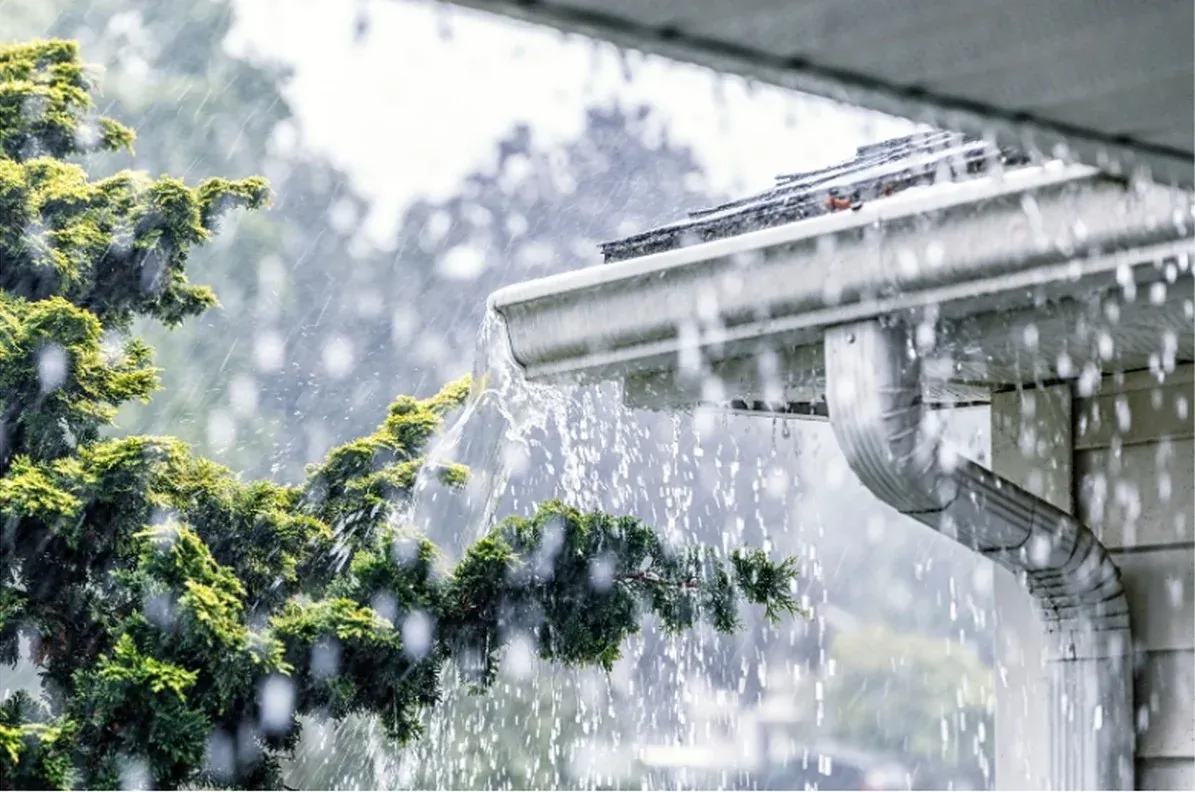
Gutters and downpipes are easy to overlook, but they play an important role in protecting the structure of a home. Their job is relatively simple: collect rainwater from the roof and direct it safely into the stormwater system and away from the building.
When gutters, downpipes or surrounding drainage are not working effectively, water can begin accumulating around the perimeter of the home. While this may initially appear to be a minor maintenance issue, repeated wetting of the soil surrounding the foundations can contribute to more significant problems over time.
The soil around a building naturally responds to changes in moisture. During prolonged wet periods, some soils can expand, while during dry conditions they may shrink. This is particularly relevant to reactive clay soils, which are common throughout many parts of Melbourne. Significant or uneven changes in soil moisture can contribute to foundation movement and may eventually result in cracking or other signs of building movement.
Poor drainage around the home can also contribute to damp subfloor conditions, moisture entering wall cavities, deterioration of building materials and an environment that may be more favourable to timber pests.
In many cases, the cause is relatively straightforward. Gutters may be partially blocked with leaves, silt or other debris, preventing water from flowing freely toward the downpipes. Gutters can also sag or become incorrectly graded, causing water to pond or overflow during heavier rainfall.
Downpipes are another common area of concern. Disconnected, damaged or poorly terminated downpipes can discharge large volumes of roof water immediately beside the building rather than directing it into an appropriate stormwater system. Over time, this can create persistently wet soil around the foundations.
The surrounding ground levels are equally important. Ideally, surface water should naturally drain away from the building rather than toward it. Garden beds, paving alterations and landscaping carried out over the years can sometimes change these falls and unintentionally direct water back toward external walls and footings.
One of the easiest ways to identify drainage problems is to look at the property while it is raining. Overflowing gutters, leaking downpipes, water ponding beside external walls and areas where surface water flows toward the house can provide useful clues that the drainage system requires attention.
Regular maintenance can make a significant difference. Keeping gutters clear, ensuring downpipes remain connected and functional, checking stormwater drainage and maintaining appropriate surface falls around the building can help manage moisture levels around the foundations.
From a property inspection perspective, external drainage is an important part of assessing the overall condition of a home. Poor water management is one of the more common contributing factors we see with moisture-related defects and building movement, particularly where problems have been developing gradually for many years.
A small drainage issue today can become a much larger building problem if water continues to accumulate around the home. Taking the time to maintain gutters, downpipes and surrounding ground levels is one of the simplest ways homeowners can help protect the long-term performance of their property.
If you're concerned about drainage, cracking, dampness or other signs of moisture around your property, Red Dog Property Inspections can help identify potential contributing factors and provide clear advice on the next steps.

Ready to book your inspection?
Get a fast, clear report from Registered Building Practitioners with 35+ years' experience.