
Why Galvanised Iron Pipes Cause Plumbing Problems
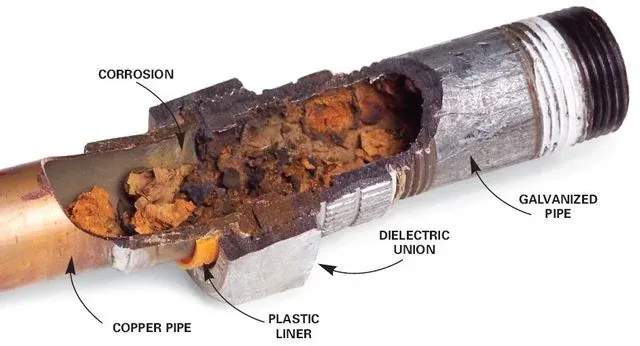
Galvanised iron pipes were widely used in Australian homes up until the 1980s. They were strong, affordable, and considered the standard for domestic water supply lines. But as these pipes age, they become one of the most common causes of plumbing problems found during building inspections.
If you live in an older property—or you're buying one—understanding how galvanised pipes deteriorate is essential for avoiding hidden damage, costly repairs, and unexpected failures.
What Are Galvanised Iron Pipes?
Galvanised pipes are steel pipes coated in zinc to slow down rusting. Over decades, this zinc coating wears away. Once the protective layer breaks down, the steel underneath begins to corrode from the inside out.
This internal corrosion is progressive and often goes unnoticed until significant deterioration has already occurred.
The Major Plumbing Issues Caused by Galvanised Pipes
1. Rust Buildup and Reduced Water Pressure
As rust forms inside the pipe, the passageway for water becomes smaller. This causes:
Low water pressure
Weak shower flow
Slow-filling appliances
Inconsistent water delivery
This is one of the earliest signs your galvanised pipes are reaching the end of their life.
2. Brown or Discoloured Water
Rust particles entering the water supply can leave taps running:
Brown
Yellow
Metallic-tasting
This staining can affect sinks, baths, laundry tubs, and even clothing. It’s a clear signal that internal corrosion is worsening.
3. Leaks, Cracks, and Unexpected Failures
As pipe walls thin from corrosion, they become weak enough to:
Form pinhole leaks
Crack under pressure
Burst without warning
Leaks inside wall cavities or under floors can cause moisture damage, mould growth, or even structural movement. These hidden problems often cost far more than replacing the pipework.
4. Hot Water Issues
Hot water accelerates rusting.
Galvanised pipes connected to hot water systems are especially vulnerable to:
Fast internal corrosion
Blockages
Reduced system efficiency
Premature hot water unit failure
This is why many homeowners notice rusty water only from their hot taps.
Why Buyers and Homeowners Should Pay Attention
Most galvanised iron pipes have a lifespan of 40–60 years. Many Melbourne homes have now exceeded that timeframe.
During inspections, these pipes often show:
Severe corrosion
Poor flow
Active leaks
Moisture staining
Brown water
Early signs of hidden timber damage
If you're buying a home with galvanised plumbing, factor the cost of replacement into your long-term budget.
Replacement Options
Modern upgrades offer safer, longer-lasting alternatives:
Copper pipework
PEX (cross-linked polyethylene)
Stainless-steel piping
These materials improve water quality, pressure, and long-term reliability.
Galvanised iron pipes were durable in their day—but time, water chemistry, and natural corrosion processes have taken their toll. Whether you're maintaining an older property or evaluating one for purchase, understanding the risks helps prevent expensive surprises and protects the building’s integrity.
At Red Dog Property Inspections, we help homeowners, buyers, and investors identify ageing plumbing systems and understand the risks associated with galvanised iron pipes. Our detailed, easy-to-read reports highlight moisture issues, leaks, and hidden defects so you can make confident decisions and plan ahead. If you’re concerned about old pipework or want a comprehensive inspection, our team is ready to help.
Ready to book your inspection?
Get a fast, clear report from Registered Building Practitioners with 35+ years' experience.