
Wet Basements
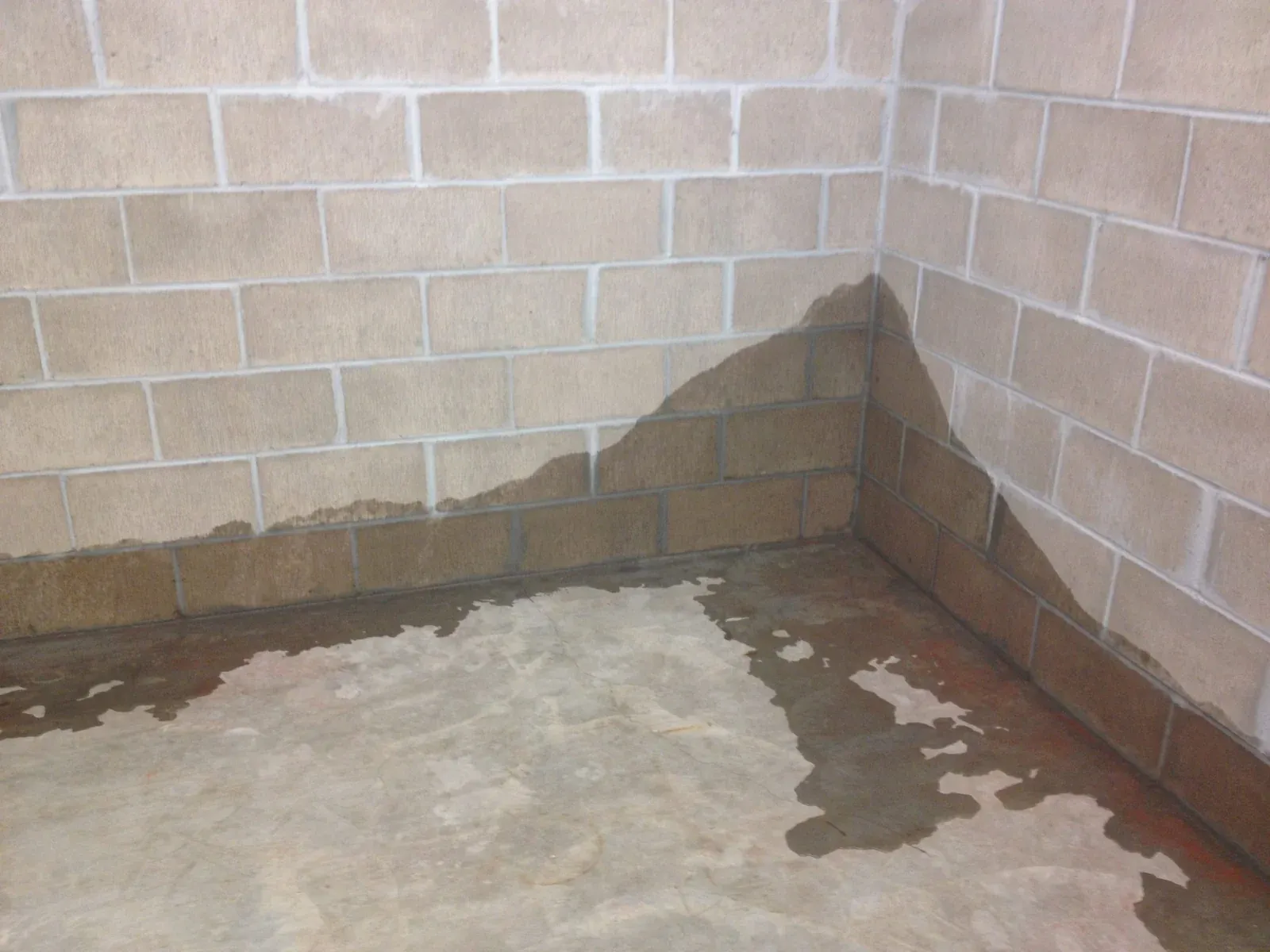
Welcome to the Red Dog Property Inspections blog! Today, we’re diving into a common yet concerning issue faced by homeowners: wet basements.
A wet basement is a condition where moisture or water accumulates in the basement area of a building, often due to seepage from external below-ground walls. While basements can serve as versatile spaces for living, storage, or recreation, water infiltration can create a damp and potentially damaging environment. Let’s explore the causes, risks, and practical solutions to keep your basement dry and safe.
What Causes Basement Water Seepage?
Understanding the underlying causes of basement water seepage is essential for effective management. Here are the most common factors:
- Rainwater Accumulation: Heavy rains can overwhelm your drainage system, leading to water buildup around your home’s foundation. When pressure increases, water may seep through cracks or weak points in the foundation walls, particularly in areas prone to intense rainfall.
- Poor Drainage Systems: Clogged gutters, downspouts, and improper grading can direct water toward your home’s foundation. Regular maintenance of your drainage system is crucial to prevent these issues from arising.
- Rising Groundwater Levels: In areas with high water tables, groundwater can exert hydrostatic pressure on the foundation, pushing water into the basement through any openings.
- Foundation Cracks: As homes age, settling, shifting soil, and poor construction practices can lead to cracks in the foundation. These cracks can serve as pathways for water to enter your basement, making timely inspections and repairs important.
- Condensation: High humidity levels in your basement can result in condensation on cool surfaces, leading to water accumulation. This is often exacerbated by inadequate ventilation and can happen in any climate.
Risks of Basement Water Seepage
Addressing water seepage is crucial, as it can lead to several significant concerns:
- Mould and Mildew Growth: Damp environments are ideal for mold and mildew, which can compromise indoor air quality and pose health risks, particularly for those with allergies or respiratory issues.
- Structural Damage: Continuous water exposure can weaken the foundation and building materials, leading to expensive repairs and potential structural instability.
- Property Damage: Water seepage can damage belongings stored in the basement, including furniture, electronics, and important documents.
- Pest Infestations: Moist conditions can attract pests, which may spread throughout your home, necessitating pest control measures.
- Electrical Hazards: Water exposure to electrical systems can pose serious risks, endangering your household’s safety.
- Reduced Property Value: Problems related to water seepage can significantly decrease the resale value of your property, making it less appealing to potential buyers.
Effective Solutions for Basement Water Seepage
Fortunately, there are several strategies to manage and prevent basement water seepage:
- Proper Grading and Drainage: Ensure that the soil around your foundation slopes away from the house and maintain clean gutters and downspouts to direct water away. Installing a French drain can also be beneficial.
- Foundation Waterproofing: Apply coatings or sealants to the exterior walls to prevent water infiltration. Interior waterproofing methods, including drainage systems and sump pumps, can help manage water seepage.
- Repair Foundation Cracks: Promptly address any foundation cracks to prevent worsening conditions. Utilize epoxy injections or polyurethane sealants for effective sealing.
- Install Vapor Barriers: A vapor barrier on interior walls and floors can help block moisture from penetrating through concrete or masonry, especially in humid climates.
- Use Basement Dehumidifiers: Employ a high-capacity dehumidifier designed specifically for basements to control humidity levels and minimize condensation.
- Seal Openings: Use high-quality sealants to fill gaps and cracks in walls, floors, and around pipes to prevent water seepage through small openings.
- Consider Exterior Drainage Solutions: Installing exterior drainage systems like French drains can be highly effective in redirecting groundwater away from your foundation.
- Professional Assessment: If you’re unsure about the extent of the problem or the best solution, consult a professional waterproofing contractor or structural engineer for expert guidance tailored to your situation.
Final Thoughts
At Red Dog Property Inspections, we understand the importance of maintaining a dry and safe living environment.
By being aware of the causes and consequences of wet basements and implementing effective solutions, you can protect your property and enhance its value. If you’re experiencing water seepage issues or have concerns about your basement, don’t hesitate to reach out to us for a thorough property inspection. Together, we can ensure your home remains a safe haven for you and your family!
Ready to book your inspection?
Get a fast, clear report from Registered Building Practitioners with 35+ years' experience.