
Weather Proofing Your Property
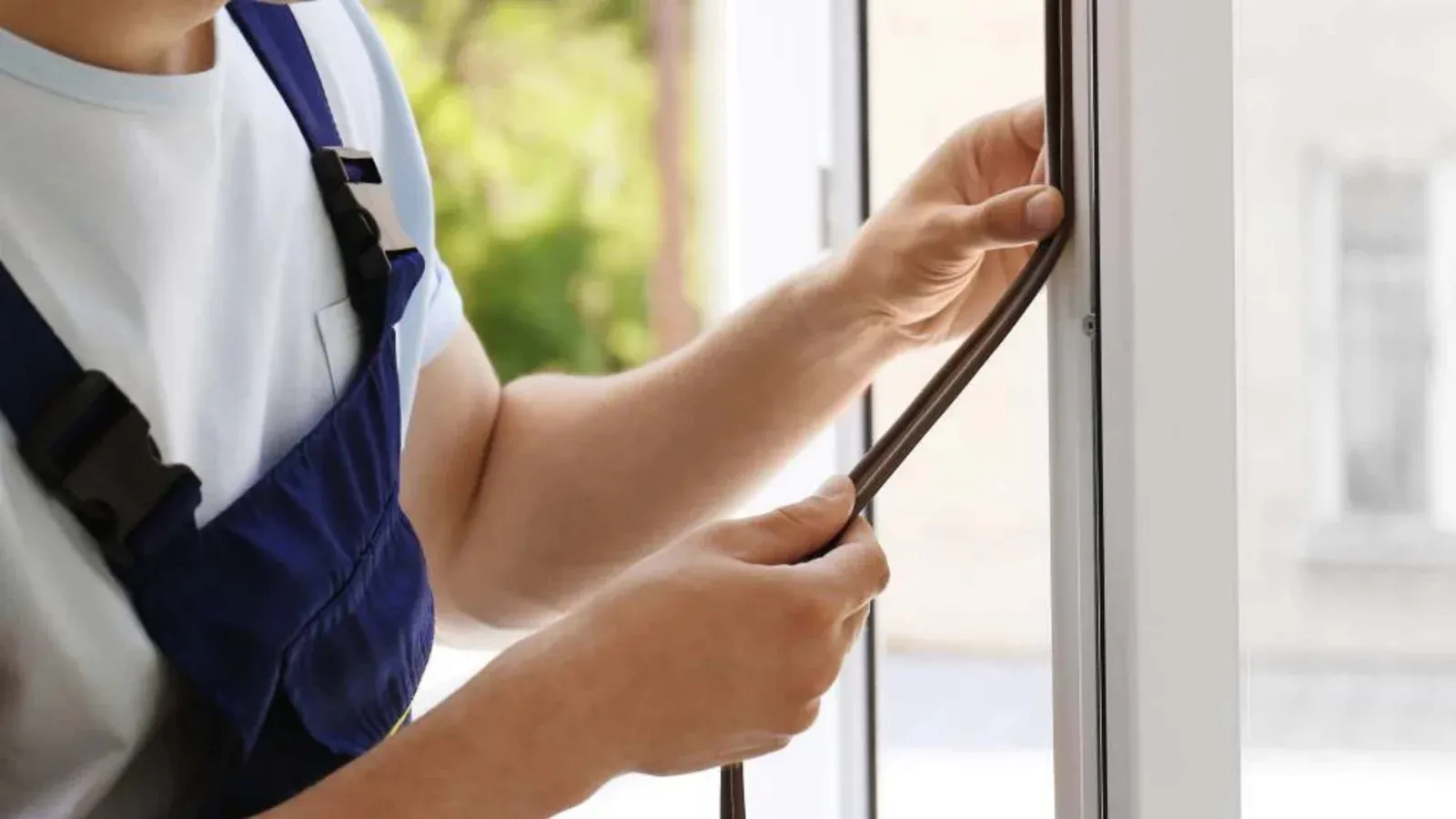
Are you looking to improve your home’s energy efficiency and save on heating and air conditioning costs? Weather-stripping and caulking can reduce these costs by as much as 30 percent! In this article, we cover the what, why, where, and how of weather-stripping and caulking your home to help you create a more comfortable and efficient living space.
WHAT IS WEATHERSTRIPPING AND CAULKING?
Weather-stripping is used to create a tight seal between the moving parts of doors and windows. It typically comes in a foam-like or spongy material made into thin strips. Caulking, on the other hand, is used to seal gaps between non-moving parts of doors and windows (such as around frames) and other openings around the outside of your home. Caulking materials are generally a paste-like substance that comes in disposable cartridges for use with a caulking applicator, commonly known as a caulking “gun.”
WHY SHOULD YOU WEATHER-STRIP AND CAULK?
Unsealed areas around doors and windows are the main causes of air leakage in most homes. By weather-stripping these areas, you can significantly reduce your heating and air conditioning costs—by as much as 30%!
Adding weather-stripping and caulking is a low-cost project that can pay for itself in the first year through energy savings. These materials block outside air from entering and conditioning air from exiting your home, which makes your HVAC systems work harder. Even if your home was weather-stripped and caulked when first built, settling and material expansion or contraction can create new gaps, allowing unwanted outside air to seep in.
WHERE SHOULD YOU APPLY WEATHERSTRIPPING AND CAULKING?
There are several methods for testing where weatherstripping and caulking are needed around doors and windows:
- Cold, Windy Day Test: Feel around the edges of doors and windows with your hand to detect cold air.
- Incense Candle Test: Turn off your furnace, turn on all exhaust fans, and use an incense candle to check for air movement.
- Flashlight Test: Shine a flashlight from outside on a dark night and look for light seeping in.
Weather-stripping should be applied to all exterior doors and doors leading between heated (air-conditioned) and unheated (non-air-conditioned) spaces inside your home.
Caulking should be applied on the exterior wherever two different construction materials meet (e.g., around door frames, window frames, chimneys). Additionally, check all areas where pipes or wires penetrate the exterior of your home and apply caulking to seal these penetrations. Don’t overlook outlet and switch plates on exterior walls; consider installing rubber gaskets behind them to eliminate air leaks.
HOW TO INSTALL WEATHER-STRIPPING AND CAULKING
Before adding weather-stripping, ensure that your doors and windows are functioning correctly. If they are crooked, repair them before proceeding. Avoid making weather-stripping too tight; doors and windows should open and close smoothly. Properly installed weather-stripping should seal well when the door is closed while allowing it to open freely.
When choosing weather-stripping materials, consider factors such as price, longevity, and installation/maintenance requirements. While more expensive materials may have higher upfront costs, they often last longer and require less maintenance.
For caulking, use the highest quality caulking material suited to your specific project needs. Quality caulk is easier to apply, performs better, lasts longer, and requires less maintenance.
Lastly, check if your weather-stripping or caulking project qualifies for any federal or state tax credits or rebates aimed at improving energy efficiency.
By implementing weather-stripping and caulking in your home, you can enhance energy efficiency, improve comfort, and save on utility costs.
If you have questions about energy efficiency improvements in your home or need professional assistance, reach out to Red Dog Property Inspections. We’re here to help you make informed decisions about your property!

Ready to book your inspection?
Get a fast, clear report from Registered Building Practitioners with 35+ years' experience.