
Vegetation on Your Property
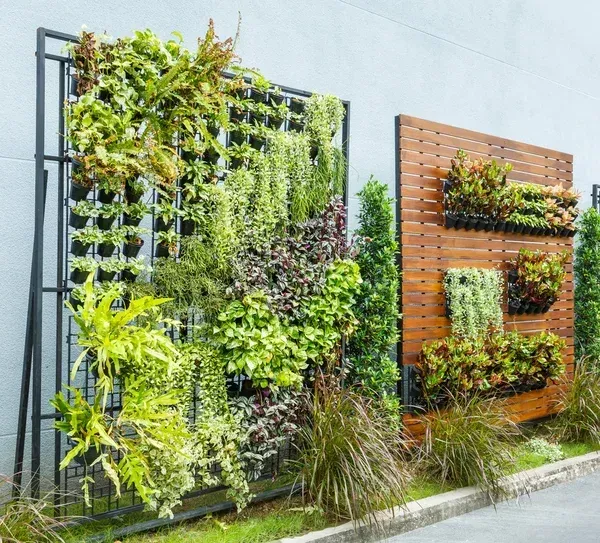
When it comes to maintaining the integrity of a home, one aspect many homeowners tend to overlook is vegetation. While lush greenery and climbing vines can make a property look beautiful and inviting, they can also pose serious risks to the structure if not managed properly. Understanding how vegetation affects your home’s exterior—especially your walls—is key to protecting your investment and avoiding costly repairs.
The Risks of Vegetation on External Walls
Vegetation that grows directly on or against your home’s external walls can trap and retain moisture. Over time, this can lead to dampness and cause damage to key building materials such as timber, bricks, and mortar.
Timber, when exposed to prolonged dampness, becomes highly vulnerable to rot, which can compromise the structural strength of your home. Similarly, mortar—the material that holds bricks together—can weaken or crack due to constant exposure to moisture. These tiny cracks may seem harmless at first but can lead to bigger issues like wall instability and water intrusion.
Aside from structural concerns, damp conditions also promote mould growth. Mould can spread quickly and not only affect the aesthetic appeal of your home but also pose potential health risks to your family.
Termite Activity: A Hidden Threat
Another consequence of uncontrolled vegetation is the increased risk of termite infestation. Termites thrive in moist environments, and plants touching or clinging to your walls can serve as a bridge, giving these pests direct access to wooden areas of your home. Once termites establish a colony inside your walls, they can cause significant damage before you even notice their presence.
Smart Prevention Strategies
Protecting your home from vegetation-related issues doesn’t mean you have to give up your garden. With proper maintenance and planning, you can enjoy both a beautiful landscape and a well-preserved home.
Regular Maintenance: Inspect your home’s exterior regularly and trim plants that are too close to walls. Allowing enough airflow prevents moisture buildup and keeps the walls dry.
Replanting and Landscaping: If you have plants growing directly against the walls, consider removing or replanting them farther away. Choose low-maintenance or drought-resistant plants that need less water.
Consulting a Professional: Engaging a professional landscape contractor can help you design a garden that enhances your property’s appearance without compromising its safety. They can advise on proper spacing, drainage, and plant selection.
Conclusion
While greenery adds beauty and character to a property, vegetation that grows too close to your walls can create long-term structural and pest issues. Taking preventive action today—through proper maintenance, plant management, and expert advice—can save you from major repair costs in the future.
At Red Dog Property Inspections, we understand how vital every aspect of your property is, from the roof to the garden. Our detailed inspections help identify potential issues caused by vegetation, dampness, and pests before they turn into costly repairs.
Learn more about how we can help protect your home and maintain its integrity for years to come.

Ready to book your inspection?
Get a fast, clear report from Registered Building Practitioners with 35+ years' experience.