
Uneven Floors: What Causes Movement in a Home
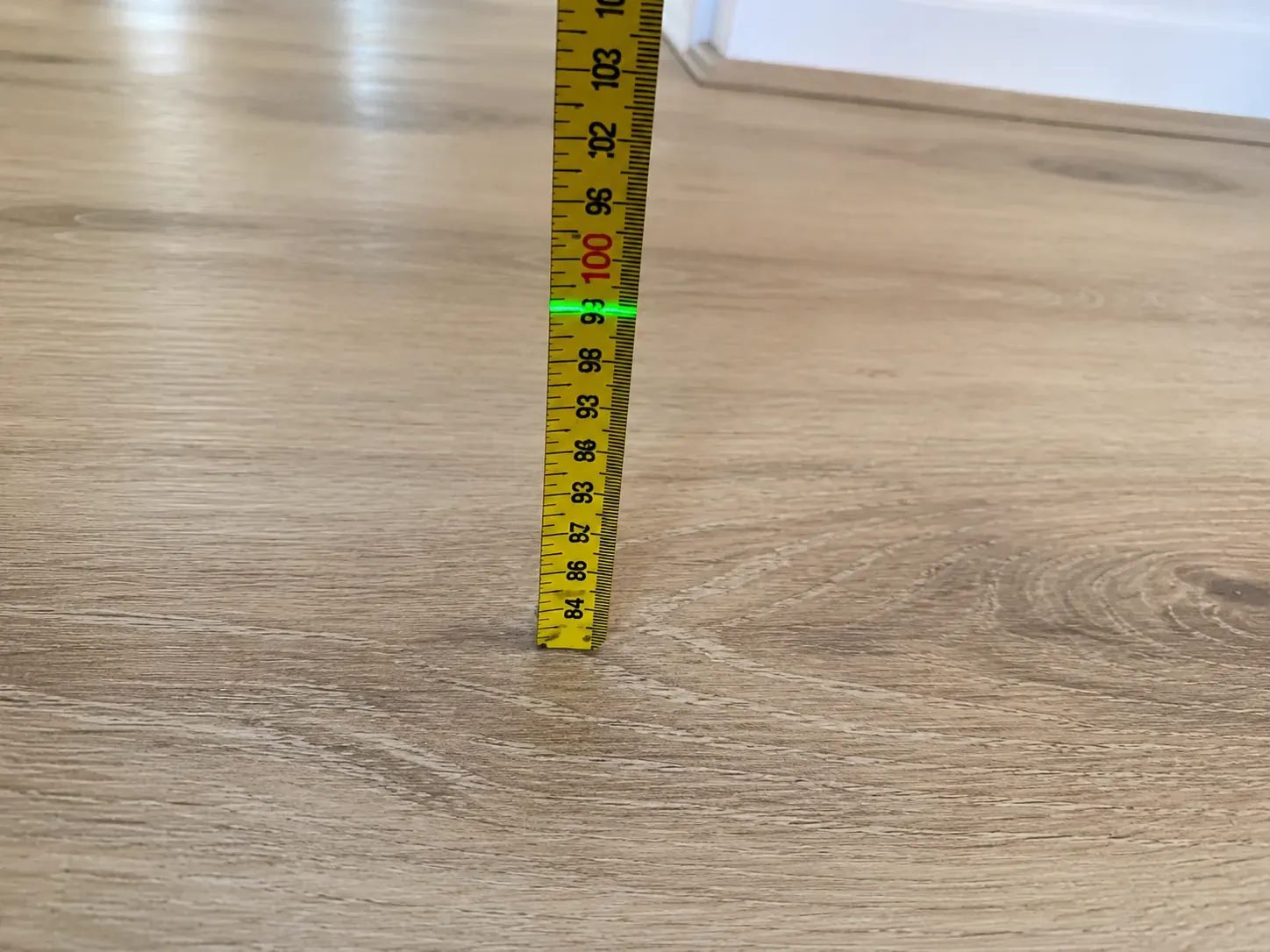
Uneven floors are a common observation during property inspections, particularly in older homes. While some variation in floor levels is often expected as a building ages, noticeable slopes or changes in level can indicate movement within the structure. Understanding why this has occurred is important in determining whether the condition is simply part of the home's age or whether it requires further investigation.
Structural movement can occur for a variety of reasons. Natural settlement of foundations, changes in soil moisture, seasonal ground movement, or deterioration of supporting elements such as timber stumps, bearers or joists can all contribute to uneven flooring. In homes with suspended timber floors, the condition of the subfloor has a significant influence on maintaining a level and stable surface.
The signs of floor movement are not always obvious at first. Homeowners may notice floors that slope underfoot, doors that no longer close correctly, or gaps developing between skirting boards and flooring. In some cases, cracks may begin to appear in walls or ceilings as the building adjusts to movement. Because these changes often occur gradually, they can be difficult to detect until they become more pronounced.
Not all uneven floors indicate a serious structural problem. Minor settlement is relatively common in many homes and may stabilise naturally over time without requiring significant repairs. However, where movement appears to be ongoing or is becoming more noticeable, identifying the underlying cause is essential. Early investigation can help determine whether the condition is stable or whether remedial work is required to prevent further deterioration.
If movement continues unchecked, additional issues can develop throughout the home. Continued settlement or deterioration of structural supports may place increased stress on the building, resulting in cracking, misaligned doors and windows, uneven wall junctions, and further movement of flooring. Addressing the cause rather than simply repairing the visible symptoms provides the best long-term outcome.
Where uneven floors are identified, the first step is to determine the extent of the movement and establish whether it appears to be historical or ongoing. A qualified building professional or structural engineer can investigate the underlying cause and recommend the most appropriate course of action. Repairs may involve replacing deteriorated structural supports, relevelling sections of flooring, or rectifying foundation-related issues where necessary. Maintaining effective drainage around the home, controlling moisture levels beneath the building, and ensuring adequate subfloor ventilation can also help minimise future movement.
During a property inspection, floor levels are assessed alongside other indicators of structural movement, including accessible subfloor areas where possible. While uneven floors are often easy to observe, the cause is not always immediately apparent. A professional inspection provides valuable insight into whether the movement appears consistent with the age of the property or whether further assessment is recommended, helping homeowners make informed decisions about maintenance and future repairs.
If you're concerned about the condition of your home or a specific structure, contact Red Dog Property Inspections. We're here to help ensure your property remains safe, compliant, and well maintained.

Ready to book your inspection?
Get a fast, clear report from Registered Building Practitioners with 35+ years' experience.