
Understanding Wood Heater Regulations
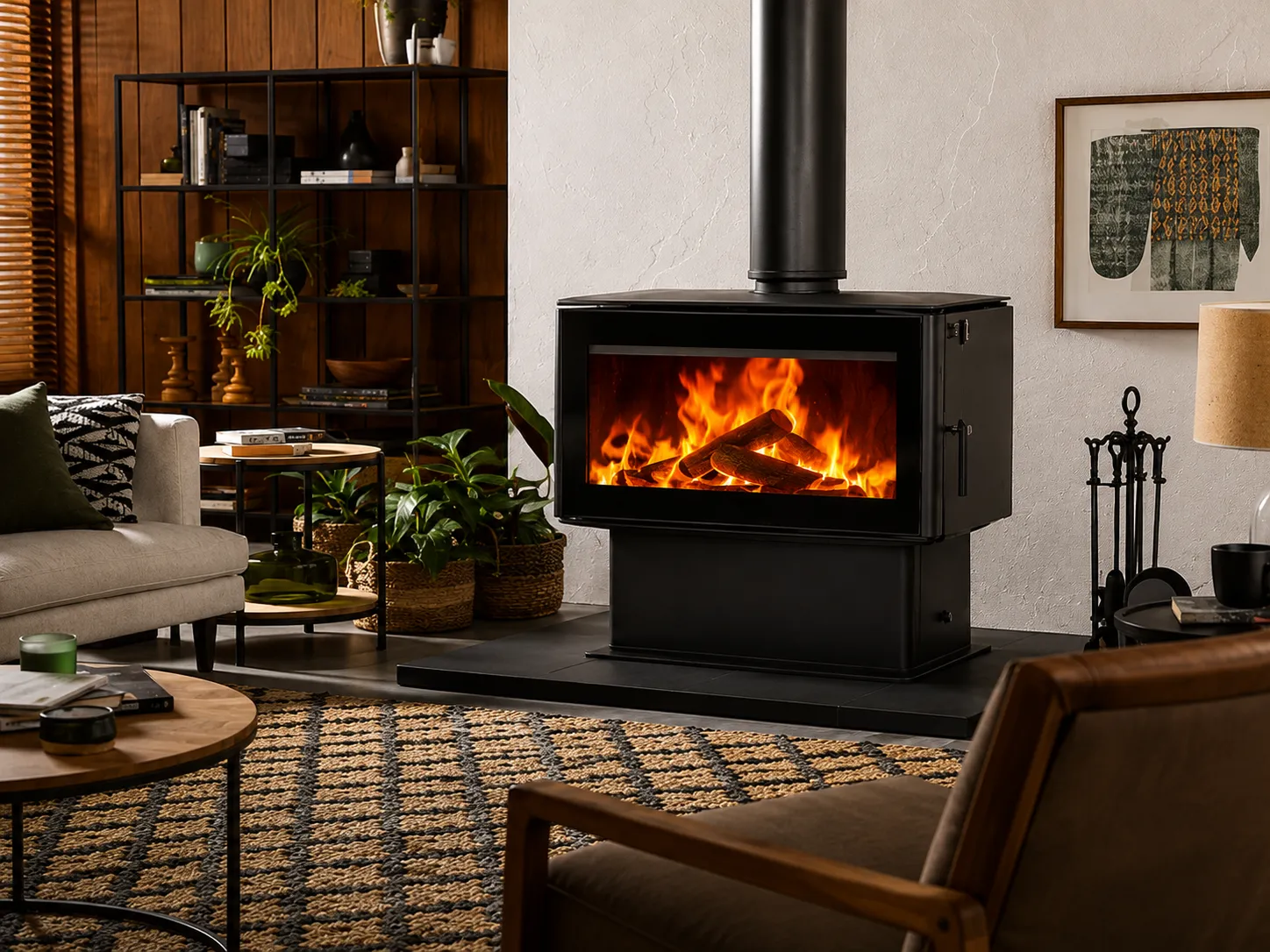
There's nothing quite like a wood heater on a cold winter evening. It adds warmth, comfort and a real focal point to the home. From an inspection perspective, however, a wood heater is more than just a lifestyle feature. It is an appliance that needs to be installed correctly to ensure it operates safely and as intended.
In Australia, wood heater installations are governed by AS/NZS 2918, which outlines requirements for installation, clearances, hearth protection and flue positioning. These requirements are important in reducing fire risk and ensuring smoke and combustion gases are safely discharged away from the home.
One of the common issues we see during inspections relates to the clearance around the heater itself. Wood heaters generate considerable heat, and surrounding walls, furniture and other combustible materials need to be kept an appropriate distance from the appliance.
Each heater is different, so the installation requirements for the particular unit should always be considered. Where clearances are inadequate, surrounding materials can be exposed to excessive heat over long periods. Signs such as discolouration, heat damage or deterioration to nearby surfaces may indicate that further assessment is required.
The hearth is another important part of the installation. Its purpose is to protect the flooring beneath and around the heater from radiant heat, hot ash and falling embers. It should be constructed from suitable non-combustible materials and extend sufficiently around the appliance to provide the required protection.
This is an area that can sometimes be overlooked, particularly where a wood heater has been added to an existing home or altered as part of a renovation. What appears adequate visually may not necessarily suit the requirements of the particular heater.
Flue height and positioning are equally important. The flue is responsible for safely venting smoke and combustion gases from the home, and its position in relation to the roof and surrounding structures can affect how effectively the system operates.
Where the flue is located within 3 metres of the highest point of the roof, it generally needs to terminate at least 600 millimetres above that point. Where the flue is positioned further away, surrounding roof surfaces and structures still need to be considered. In some situations, additional height may be required where nearby obstructions interfere with airflow.
This is not simply a compliance issue. Poor flue height or positioning can affect the draft of the heater and may contribute to smoke backflow, reduced performance and increased soot or creosote build-up within the flue.
During inspections, some of the signs that draw our attention include smoke staining around the heater or flue, heat impact on surrounding materials, deterioration around the hearth, damaged or poorly supported flue components and evidence that smoke has been entering the room.
Where concerns are identified, the first step is to determine the extent of the issue and whether there are signs of damage or previous alterations. The installation should then be assessed by an appropriately qualified professional familiar with solid fuel heating appliances. Any problems with the heater, hearth, clearances or flue should be properly rectified rather than treated as a cosmetic repair.
Ongoing maintenance is also important. Wood heaters and flues require regular cleaning and inspection to control soot and creosote build-up and to ensure the system continues to operate effectively. Combustible materials should also be kept well away from the heater, even where the original installation clearances are considered adequate.
The layout of the home can also influence how well the system performs. The position of the heater, ceiling height, roof design and nearby structures can all affect airflow and flue performance. In many cases, these factors are best considered when the heater is first installed rather than trying to correct problems later.
From an inspection perspective, we are not simply looking at the heater itself. We consider how the visible parts of the installation work together, including the hearth, surrounding clearances, flue position and any signs of heat or smoke affecting nearby materials.
Some problems may also be more significant beneath the surface than they initially appear. Heat exposure to concealed materials, deterioration around roof penetrations or previous alterations to the installation may not always be obvious to the homeowner.
Identifying these issues early allows the appropriate professional to investigate further before deterioration progresses. It also helps maintain the safety, performance and long-term condition of the property.
Wood heaters can be a great addition to a home, but correct installation and regular maintenance are important. Small installation issues can develop into larger concerns over time, particularly where heat, smoke and fire risk are involved.
If you're concerned about the condition of your home or a specific wood heater installation, contact Red Dog Property Inspections. We're here to help ensure your property remains safe, compliant, and well maintained.

Ready to book your inspection?
Get a fast, clear report from Registered Building Practitioners with 35+ years' experience.