
Timber Decks: What to Look for During a Property Inspection
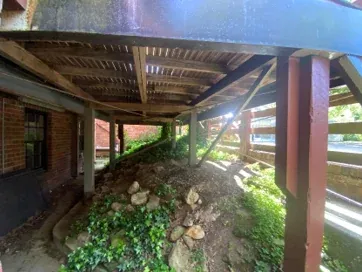
Timber decking is a popular feature in many Australian homes, providing a functional outdoor space for entertaining and everyday use. However, as an exposed structure, decking is constantly subjected to weather conditions, moisture, and regular foot traffic. Over time, this combination can lead to deterioration if maintenance and construction quality are not carefully managed.
During a property inspection, a deck is not assessed purely on appearance. Instead, the focus is on how the structure is performing, how it has been maintained, and whether there are any conditions that may affect safety or long-term durability.
One of the more common observations is deterioration of the decking boards themselves. Timber that has been exposed to moisture without adequate protection may begin to split, warp, or soften. This movement is often caused by repeated cycles of expansion and contraction as the timber absorbs and releases moisture. While some degree of weathering is expected, excessive splitting or softness can indicate that the timber is no longer performing as intended.
In some cases, early signs of decay may only be detected through close inspection. Areas that appear slightly discoloured or feel softer underfoot may indicate the beginning of timber rot. This is particularly relevant in locations where water is allowed to sit, such as low points in the deck or areas with poor drainage.
Drainage plays an important role in the performance of any deck. Water should be directed away from the surface and should not be allowed to pond or remain in contact with structural elements. Where gutters overflow onto decking, or where ground levels beneath the deck do not allow for proper runoff, moisture exposure can increase significantly.
Another key consideration is how the deck has been protected. Coatings such as oils, stains, or sealants are intended to reduce moisture absorption and extend the life of the timber. A simple way to assess this is to observe how water behaves on the surface. Where water is readily absorbed rather than beading, it may indicate that protective treatments have worn off and maintenance is required.
Structural elements are equally important. Decks rely on posts, bearers, joists, and connections to remain stable. In accordance with general structural principles outlined in standards such as AS 1684 for timber framing, these elements must be adequately supported and connected. Movement at connections, loose fixings, or deterioration at the base of posts can all affect the integrity of the structure.
Balustrades and handrails are also critical from a safety perspective. These should be secure and capable of resisting applied loads. Even minor movement in these elements may indicate that fixings have loosened or that the structure requires attention.
Fixings themselves are often overlooked but play a significant role in overall performance. Nails or screws that have lifted, corroded, or been incorrectly installed can lead to movement within the decking surface. Over time, this can create trip hazards or allow boards to shift under load.
Environmental factors should also be considered. Overhanging vegetation can contribute to moisture retention, increase organic debris, and accelerate deterioration of the deck surface. In addition, debris accumulation between boards can restrict drainage and promote decay.
What is often evident during inspections is that decking issues rarely occur in isolation. Instead, they are typically the result of a combination of factors, including exposure, maintenance, drainage, and original construction quality.
Understanding how these elements interact provides a clearer picture of the condition of the deck and helps determine whether the observed issues are consistent with general wear or indicative of more significant concerns.
Regular inspection and maintenance of decking not only improves appearance but also plays an important role in safety and longevity. Addressing early signs of deterioration can help prevent more extensive repairs and ensure the structure remains fit for purpose.
If you’re concerned about the condition of your deck or outdoor structures, contact Red Dog Property Inspections. We’re here to help ensure your property remains safe, compliant, and well maintained.
Ready to book your inspection?
Get a fast, clear report from Registered Building Practitioners with 35+ years' experience.