
What a Building Inspection Can and Can't Tell You
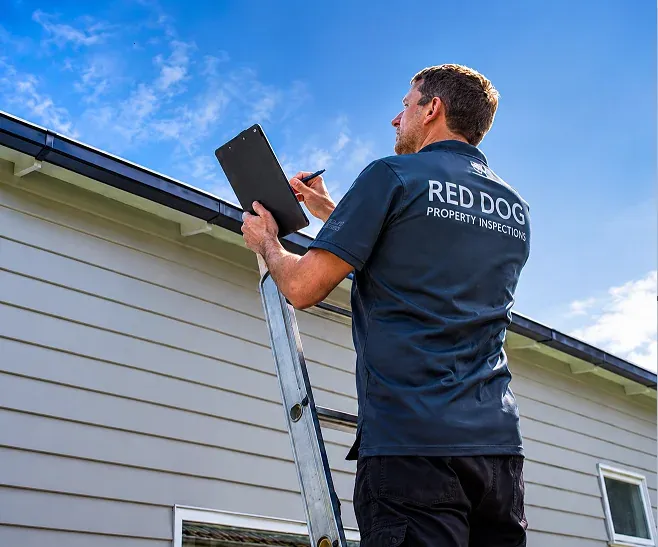
When purchasing a home or maintaining an existing property, a professional building inspection is one of the most valuable steps a property owner or buyer can take. A detailed property inspection provides important insight into the visible condition of a home and can help identify significant defects, safety concerns, maintenance issues, and signs of deterioration before they become more serious or costly. However, it is equally important to understand the limitations of a visual building inspection and what is realistically achievable during the inspection process.
At Red Dog Property Inspections, we regularly explain to clients that a pre-purchase building inspection or house inspection is primarily a visual, non-invasive assessment conducted in accordance with relevant Australian Standards. This means the inspection is limited to areas and building elements that are accessible and visible at the time of inspection. The inspector does not remove wall linings, lift floor coverings, dismantle fixtures, or carry out destructive testing unless specifically arranged as part of a specialised invasive inspection.
Many parts of a home are naturally concealed during construction. Structural framing, plumbing pipework, waterproofing systems, electrical wiring, insulation, and drainage components are often hidden behind walls, beneath flooring, inside ceiling cavities, or below ground level. Even with extensive experience and specialised equipment, some defects may remain concealed and cannot be identified during a standard property inspection. This is an important distinction that buyers and homeowners should understand when reviewing any building inspection report.
A professional building inspector relies on observable evidence to form conclusions about the property’s condition. Signs such as cracking, moisture staining, uneven flooring, corrosion, timber decay, movement, poor workmanship, or water damage may indicate underlying problems that require further assessment. In many cases, the visible symptoms provide valuable clues about larger concealed issues; however, without invasive access, the full extent of the problem may not be immediately apparent.
Modern inspection equipment can assist in identifying certain conditions, but these tools also have limitations. Moisture meters, thermal imaging cameras, and laser measuring devices help support observations and can improve the accuracy of a building inspection, particularly where elevated moisture levels or temperature anomalies are detected. Despite this, these tools do not provide x-ray vision into building structures and cannot conclusively identify every concealed defect. For example, a moisture meter may indicate elevated moisture readings within a wall, but determining the exact source of the moisture may still require invasive investigation by a qualified plumber or leak detection specialist.
Accessibility also plays a major role in the scope of a visual inspection. Roof spaces may be obstructed by low clearances, insulation, or stored belongings. Subfloor areas can be restricted by limited access openings, standing water, debris, or insufficient clearance. External areas may be concealed by vegetation, furniture, stored materials, or finishes that prevent adequate visibility. In these situations, the building inspector can only assess the accessible portions of the property at the time of inspection.
Weather conditions and occupancy can further affect the outcome of a building inspection. Active leaks may not be visible during dry weather, and certain drainage issues may only become apparent during heavy rainfall. Occupied homes often contain furniture, floor coverings, or personal belongings that restrict access to walls, flooring, windows, or wet areas. While inspectors make every effort to assess the property thoroughly, some defects may remain hidden until areas become exposed during renovations, repairs, or future maintenance works.
It is also important to understand that building inspections do not predict future performance. A property may appear to be functioning adequately at the time of inspection but still develop issues later due to ageing materials, weather exposure, reactive soil movement, plumbing failures, poor maintenance, or normal wear and tear. A building inspection provides a snapshot of the property’s visible condition on the day of inspection rather than a guarantee against future defects.
Where signs of underlying issues are identified, further investigation is often recommended. This may involve specialist plumbing assessments, electrical testing, structural engineering advice, timber pest inspections, roofing assessments, or invasive inspections to determine the extent of concealed damage. Recommendations for further assessment should not necessarily be viewed as a negative outcome. Instead, they are an important part of responsible reporting and help ensure that clients obtain the most accurate understanding possible before making decisions about a property.
Despite these limitations, a professional pre-purchase building inspection remains one of the most effective tools available for evaluating a home or investment property. An experienced building inspector can identify many common building defects, safety concerns, workmanship issues, and maintenance items that may otherwise go unnoticed by the average buyer. This information allows purchasers to make informed decisions, negotiate repairs, budget for future maintenance, or better understand the overall condition of the property before committing to a purchase.
At Red Dog Property Inspections, we believe that clear communication and realistic expectations are essential parts of every Melbourne property inspection. Our goal is to provide clients with honest, thorough, and easy-to-understand building inspection reports that explain both the observed condition of the property and the limitations that naturally apply to a visual assessment. By understanding what a property inspection can and cannot reveal, buyers and homeowners are better equipped to make confident and informed decisions about their property.
Ready to book your inspection?
Get a fast, clear report from Registered Building Practitioners with 35+ years' experience.