
The Limits of a Visual Property Inspection
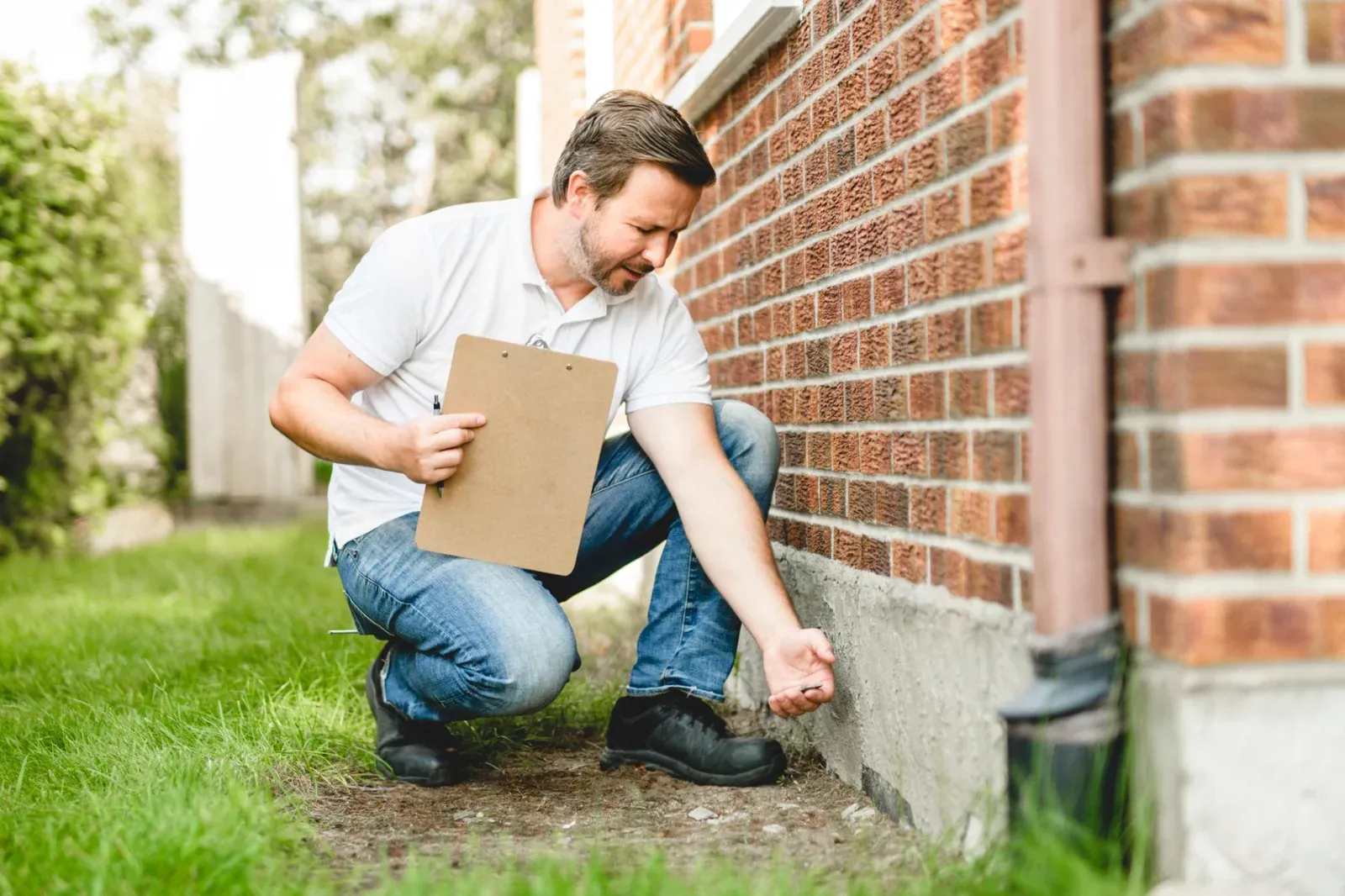
A professional property inspection provides valuable insight into the condition of a home and remains one of the most effective ways to identify defects, maintenance concerns, and potential risks. Whether you are purchasing a property or assessing the condition of your current home, an inspection offers an informed overview based on the visible condition of the building at the time of assessment.
It is important, however, to understand the scope of a standard property inspection. Building inspections are primarily visual assessments. This means inspectors assess accessible areas and visible building elements without removing linings, lifting floor coverings, opening wall cavities, or carrying out destructive testing.
Many parts of a home are concealed from view. Structural framing is hidden behind plasterboard, plumbing and electrical services are often located within walls and beneath floors, and some roof spaces or subfloor areas may not be fully accessible due to safety concerns or physical restrictions. As a result, certain defects may remain hidden during a routine inspection.
The purpose of a visual inspection is to identify observable defects and signs of deterioration based on the evidence available at the time. Experienced inspectors are trained to recognise patterns, indicators, and conditions that may suggest underlying issues, even when the source itself cannot be directly observed.
For example, cracking, staining, moisture damage, uneven floors, or movement within a structure can provide important clues about the overall condition of a property. Inspectors assess these signs carefully and consider how they may relate to broader building performance and maintenance requirements.
Tools such as moisture meters may also be used to support observations where moisture ingress is suspected. These tools assist in identifying areas that warrant closer attention, but they do not change the non-invasive nature of the inspection.
While inspections are thorough within their scope, they cannot guarantee that every defect will be identified. Issues that are concealed behind finishes, hidden within building cavities, or not exhibiting visible symptoms at the time of inspection may remain undetected. This limitation is not unique to any one inspector but is an inherent part of a visual assessment process.
In some situations, visible evidence may indicate that further investigation is warranted. Elevated moisture readings, signs of structural movement, recurring water staining, or restricted access areas may lead to recommendations for additional assessment by a qualified specialist. This could include plumbing inspections, electrical testing, engineering advice, leak detection services, or invasive investigations where appropriate.
Understanding these limitations helps homeowners and buyers set realistic expectations while still appreciating the value of a professional inspection. A well-conducted inspection provides an independent assessment of the property's visible condition and can identify concerns that may otherwise go unnoticed. It also helps prioritise maintenance, supports informed decision-making, and highlights areas where further investigation may be beneficial.
In our experience, many significant building issues begin with subtle visual indicators that can easily be overlooked by the untrained eye. Professional inspections help bring these concerns to light, providing valuable information about the condition of the property and helping homeowners make informed decisions about maintenance, repairs, and future planning.
If you're concerned about the condition of your home or a specific structure, contact Red Dog Property Inspections. We're here to help ensure your property remains safe, compliant, and well maintained.
Ready to book your inspection?
Get a fast, clear report from Registered Building Practitioners with 35+ years' experience.