
The Impact of Trees on Your Property
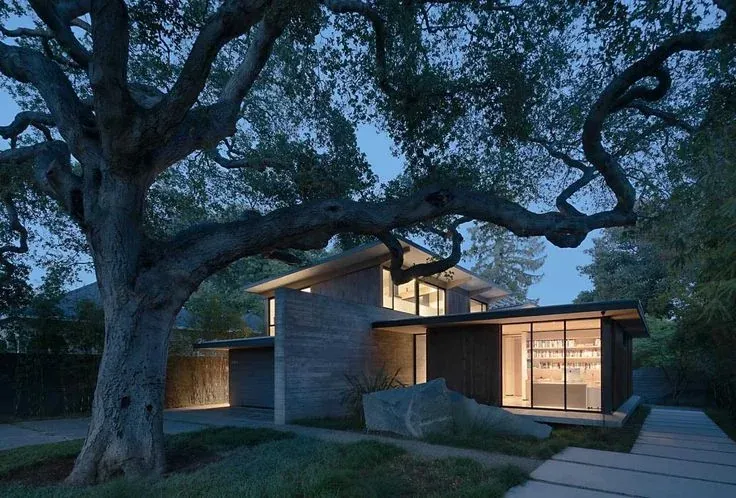
Trees are a beautiful addition to any property, providing shade, aesthetic appeal, and a connection to nature. However, when trees are planted too close to a property’s foundations or roof areas, they can pose significant risks that homeowners must carefully consider.
The Hidden Danger of Tree Roots
While the branches of trees that come into contact with roof areas can cause issues, such as damage to roof materials or blocked gutters, the real threat often lies below ground. Tree roots naturally spread out as they grow, seeking water and nutrients. This expansive root system can:
- Undermine Foundations: Roots can shift and weaken the soil around foundations, potentially causing cracks or structural instability.
- Damage Pipes: Roots can infiltrate sewerage pipes, leading to blockages, leaks, and costly repairs.
- Cause Soil Subsidence: The extraction of water by roots can lead to soil shrinking and settling, destabilizing nearby structures.
If these issues are not detected early, the resulting damage can be expensive and challenging to rectify.
Risks from the Tree Canopy
The canopy of a tree also poses potential problems. Falling leaves can accumulate in gutters, blocking water flow and increasing the risk of water damage to surrounding areas. Regular maintenance is essential to mitigate this risk, particularly in autumn.
To prevent potential damage, it is recommended to plant trees at least 1 to 1.5 times the height of the fully mature tree away from your home. For example, a tree expected to grow to 10 metres tall should be planted at least 10 to 15 metres from the house.
This buffer helps minimize the risk of roots encroaching on foundations and reduces the likelihood of canopy-related issues.
When to Consult an Arborist
If you have concerns about existing trees on your property, it’s wise to consult a qualified arborist. An arborist can:
- Assess the health and stability of your trees.
- Provide advice on whether a tree poses a risk to your property.
- Recommend safe removal or maintenance practices if necessary.
In some cases, local councils protect certain trees and may require a report before granting approval for removal. Only a qualified arborist can provide the necessary report, which typically includes:
- A site map detailing the tree’s location.
- Information about the tree, such as species and condition.
- Justification for removal, supported by the arborist’s professional opinion.
The Consequences of Neglect
Failing to address the risks posed by trees close to your home can lead to:
- Cracks in walls.
- Windows and doors that bind or jam.
- Soil subsidence near footings.
- Compromised structural integrity.
Conclusion
Trees are a valuable part of your property’s landscape, but careful planning and regular maintenance are essential to prevent them from causing harm.
By planting trees at a safe distance, maintaining gutters and roof areas, and consulting an arborist when needed, you can enjoy the benefits of trees while protecting your home from potential damage.
For more guidance on property maintenance and inspections, contact Red Dog Property Inspections today.
Ready to book your inspection?
Get a fast, clear report from Registered Building Practitioners with 35+ years' experience.