
The Crucial Role of Retaining Walls
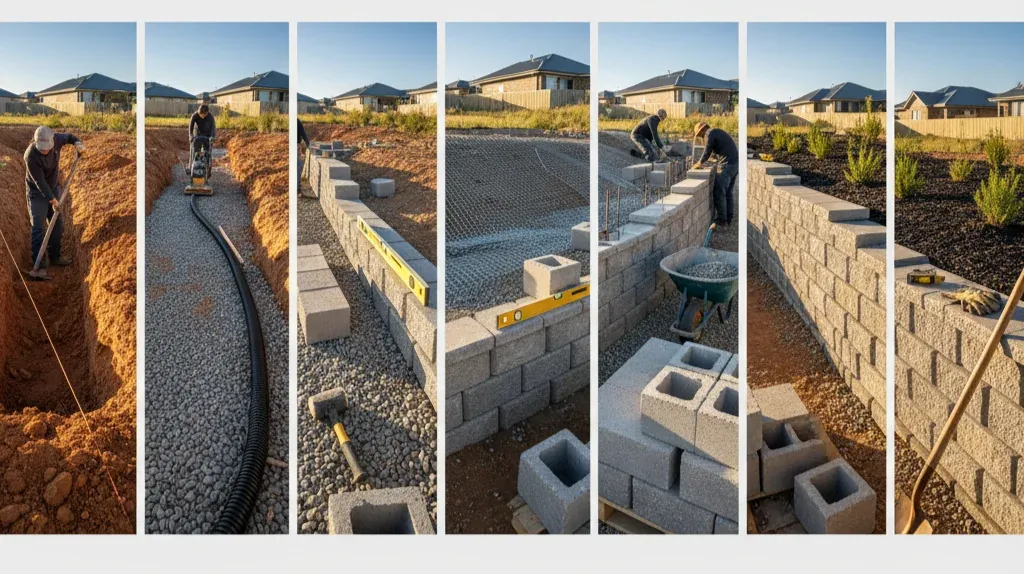
Retaining walls are an integral part of many Australian properties, particularly those built on sloping land. While they often blend into the landscape, their role is anything but minor. Retaining walls hold back soil, manage water flow, and help create usable outdoor spaces.
When constructed correctly, they provide long-term stability and functionality. When they fail, however, the consequences can affect safety, drainage, and even nearby structures. At Red Dog Property Inspections, we regularly assess retaining walls as part of our property inspections and see firsthand how important proper design, construction, and maintenance really are.
A retaining wall is a structure designed to hold back soil at different ground levels. You’ll commonly find them supporting garden beds, driveways, boundary lines, and stepped landscaping.
Retaining walls can be built from treated timber, concrete sleepers, masonry blocks, natural stone, or reinforced concrete. Regardless of the material, they must be properly engineered to resist:
Lateral soil pressure
Water pressure from poor drainage
Ground movement
Additional loads such as driveways or structures above
Many retaining wall problems stem from poor initial design, inadequate drainage, or substandard construction. Water is often the main contributor to failure. When water builds up behind a wall, it increases pressure dramatically. Without adequate drainage provisions, even a well-built wall can begin to lean, crack, or bulge.
Homeowners can often spot early warning signs before major failure occurs. Look out for:
Leaning or tilting walls
Bulging sections
Cracks in masonry or concrete
Rotting timber sleepers
Rusted steel posts or fixings
Soil erosion at the base
Water pooling near or behind the wall
Separation between the wall and adjacent paths or driveways
Small changes can indicate larger structural stresses beneath the surface.
A failing retaining wall is more than a cosmetic issue. If ignored, it can lead to:
Sudden structural collapse
Injury risk to occupants or visitors
Damage to nearby fences, driveways, or buildings
Ongoing soil erosion
Drainage problems and water intrusion
Increased repair costs over time
In some cases, retaining wall failure can also impact neighbouring properties, particularly where boundary walls are involved.
Early intervention generally results in simpler and more cost-effective repairs.
If you notice concerns with your retaining wall, taking a structured approach can help prevent further damage.
Inspect and identify the extent of the issue
Assess whether the problem is localised (such as a single cracked section) or affecting the entire wall. Look for drainage issues, movement, or material deterioration.
Consult a qualified professional
Engage a suitable tradesperson such as a builder, structural engineer, landscaper, or carpenter depending on the wall type. Structural concerns often require engineering advice, particularly for higher walls.
Repair or rectify appropriately
Repairs may include replacing damaged sleepers, improving drainage, installing additional supports, or rebuilding sections of the wall. Avoid temporary fixes that do not address the underlying cause.
Prevent future issues
Ensure adequate drainage is installed behind the wall, including agricultural drains where required. Maintain weep holes, control stormwater runoff, and monitor nearby landscaping. Regular maintenance significantly extends the life of retaining structures.
Proactive maintenance is far more practical than emergency replacement.
Retaining wall problems are not always obvious at first glance. During property inspections, we often find that visible cracking or leaning is only part of the issue. Subsurface drainage failures, concealed rot, inadequate footings, or poor construction methods may only become apparent through a trained assessment.
Many walls appear stable but lack proper drainage or reinforcement. Over time, these hidden deficiencies can worsen.
A professional inspection helps identify early-stage concerns before they escalate. It also provides homeowners with clarity — understanding whether a wall requires monitoring, repair, or full replacement.
Importantly, retaining walls that exceed certain heights may require council approval or engineering certification. Identifying compliance issues early helps protect both safety and long-term property value.
Even well-built retaining walls benefit from regular checks. Simple actions can help maintain performance:
Keep drainage outlets clear
Direct downpipes away from the wall
Avoid placing heavy loads near the top unless designed for it
Monitor for gradual movement after heavy rainfall
Routine observation allows homeowners to respond before minor movement becomes structural failure.
Retaining walls play a crucial role in supporting soil, managing water, and shaping functional outdoor spaces. When properly designed and maintained, they can perform reliably for many years.
If you’re concerned about the condition of your home or a specific structure, contact Red Dog Property Inspections. We’re here to help ensure your property remains safe, compliant, and well maintained.

Ready to book your inspection?
Get a fast, clear report from Registered Building Practitioners with 35+ years' experience.