
Subfloor Hazards and Inspection
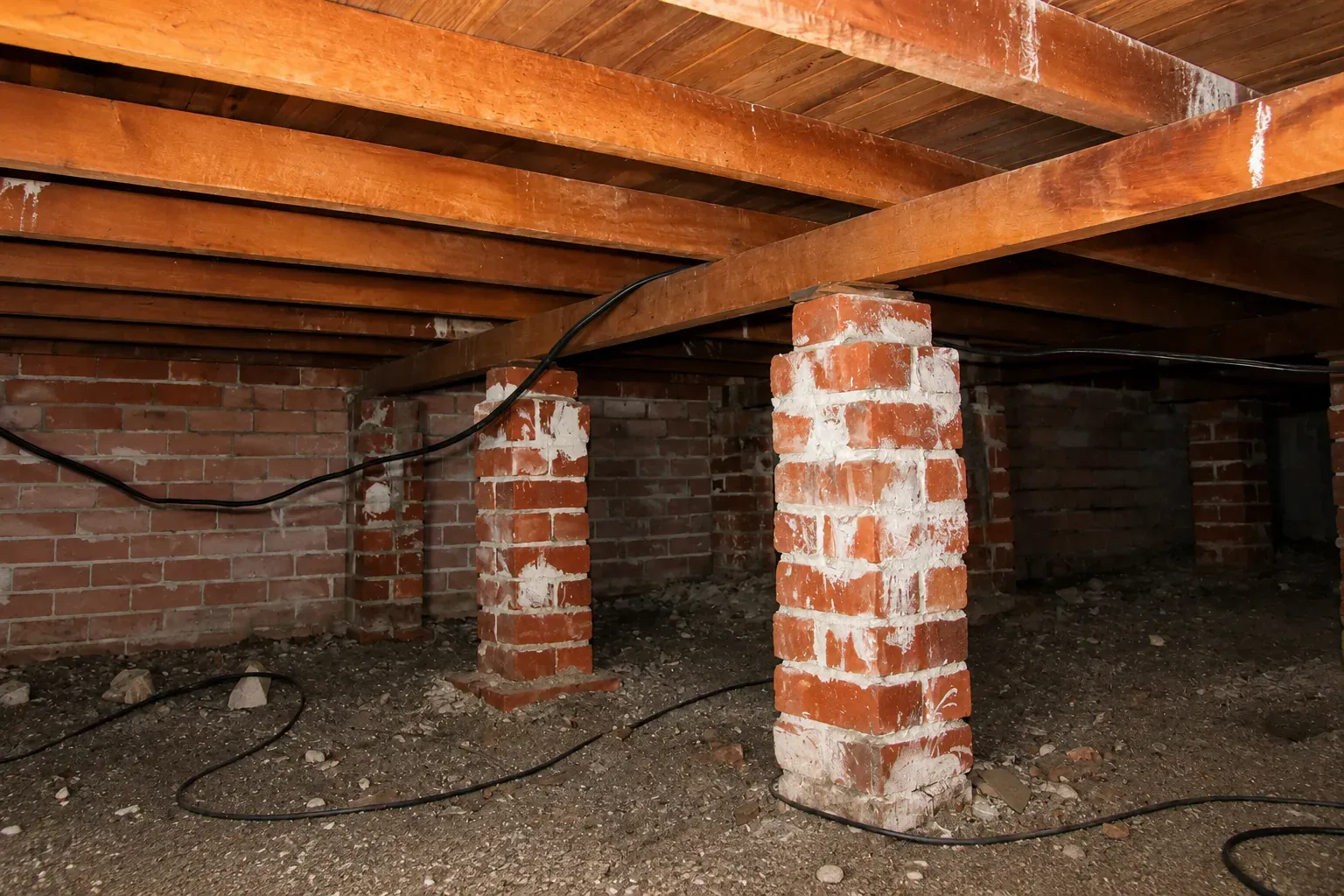
The subfloor area is one of the most important yet least visible parts of a home. Hidden beneath the floor structure, it often contains plumbing, drainage, electrical services and structural supports that play a vital role in the property's overall performance. Because these areas are rarely accessed, issues can develop unnoticed for extended periods.
During property inspections, a range of conditions may be identified within subfloors. Excessive moisture is one of the more common concerns. Water may enter through poor drainage, plumbing leaks, groundwater seepage or inadequate ventilation. Over time, elevated moisture levels can contribute to timber deterioration, mould growth and increased pest activity.
Mould and fungal growth thrive in damp, poorly ventilated environments. Aside from affecting timber components, these conditions may also impact indoor air quality if spores migrate into living areas above. Persistent musty odours within the home can sometimes be an early indicator that moisture-related issues are present beneath the floor.
Pest activity is another common finding. Termites, ants and rodents are often attracted to the dark, sheltered environment provided by subfloors. In some cases, evidence of previous treatments may also be observed. Early detection is important, as damage to structural timber can occur long before visible signs appear inside the home.
Older properties may also contain materials that require careful assessment. Asbestos-containing products are sometimes found around service penetrations, pipe insulation or other building elements. Where these materials are present, they are generally safest when left undisturbed and assessed by appropriately qualified professionals.
Electrical services located within subfloor spaces should also be maintained in good condition. Loose cabling, unsupported wiring or damaged components can present safety concerns and may require attention from a licensed electrician.
Structural movement can sometimes be identified beneath a home before it becomes apparent elsewhere. Deteriorated timber, settlement, moisture damage or previous alterations may affect the performance of stumps, bearers and joists. While not all movement is significant, ongoing changes should be professionally assessed to determine whether further action is required.
Regular maintenance and monitoring of subfloor areas can help reduce the likelihood of more significant issues developing over time. Ensuring adequate drainage around the home, addressing plumbing leaks promptly and maintaining suitable ventilation are all important measures that contribute to the long-term performance of the structure.
During a professional property inspection, the subfloor is assessed for signs of moisture intrusion, pest activity, structural movement and other hidden defects. In many cases, conditions beneath a home are not immediately visible from the living areas above. Identifying these issues early can help homeowners make informed decisions about maintenance and protect the long-term value of their property.
If you're concerned about the condition of your home or a specific structure, contact Red Dog Property Inspections. We're here to help ensure your property remains safe, compliant, and well maintained.
This version is much closer to the style of your cracked brickwork, cracked ceilings and blocked gutters articles.

Ready to book your inspection?
Get a fast, clear report from Registered Building Practitioners with 35+ years' experience.