
Not All Defects Are Equal: Understanding Minor and Major Defects
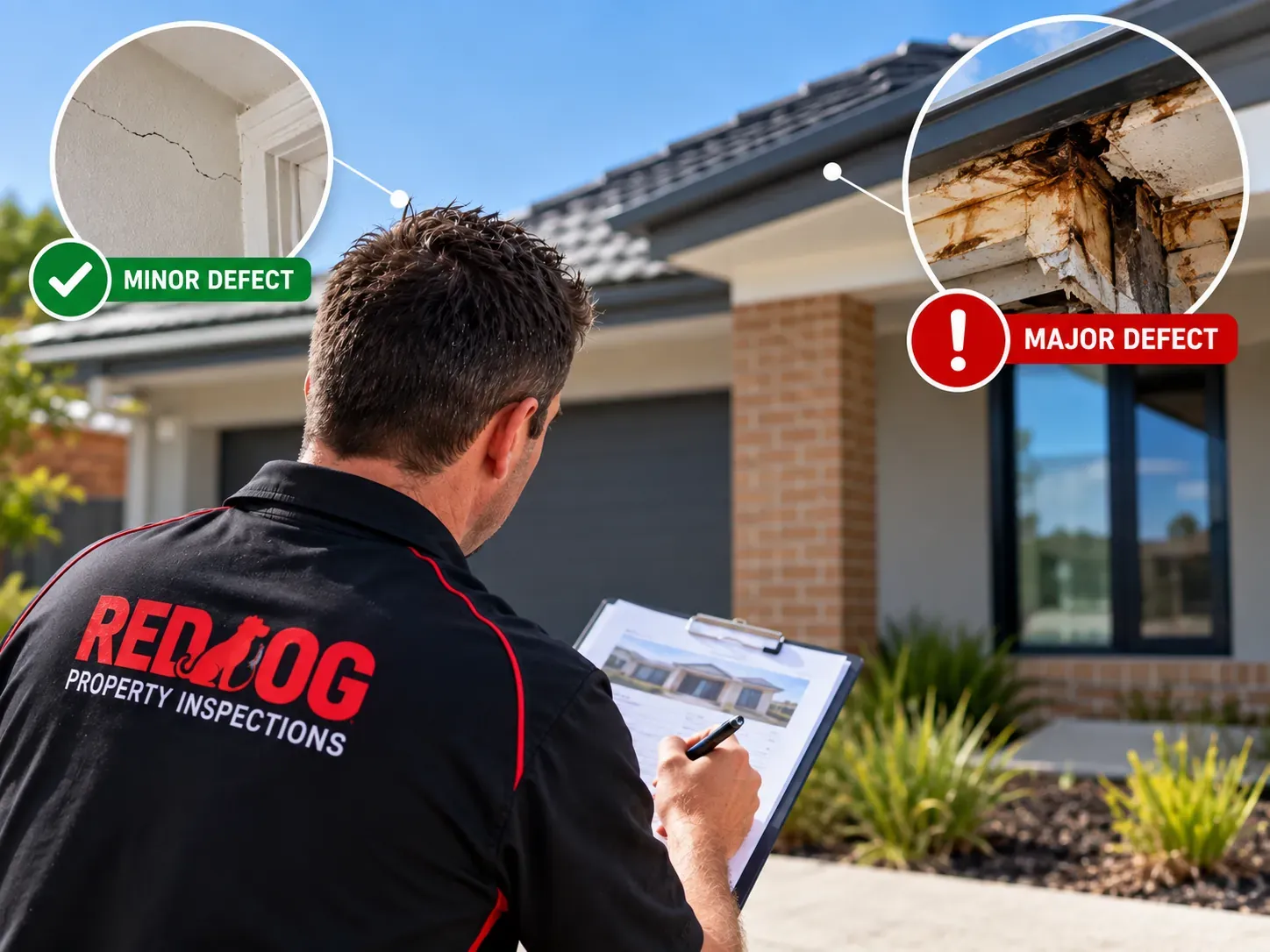
When reading a pre-purchase building inspection report, one of the most important things to understand is the difference between a minor defect and a major defect. The classification helps put the findings into perspective and gives buyers a clearer understanding of which items are generally maintenance-related and which may have more significant consequences.
A property does not need to be old or poorly maintained to contain defects. Almost every established home will have some degree of cracking, deterioration, wear or maintenance required. The important question is not simply whether a defect exists, but what effect that defect may have on the property.
Minor defects are generally imperfections, deterioration or maintenance items that do not meet the threshold of a major defect. Examples can include minor cracking, deteriorated sealants, localised paint deterioration, loose fittings or ageing building materials. While these items should not necessarily be ignored, they are commonly addressed as part of normal property maintenance.
A major defect is different. Under AS 4349.1 – Inspection of Buildings, Part 1: Pre-purchase Inspections – Residential Buildings, the classification considers the magnitude and consequences of the defect, including whether rectification is necessary to avoid unsafe conditions, loss of utility or further deterioration of the property.
This is an important distinction because a defect does not need to satisfy all three consequences to warrant consideration as a major defect. An unsafe condition alone may be sufficient, just as a defect capable of causing significant further deterioration may warrant a major classification even where there is no immediate safety concern.
The physical size of a defect can also be misleading. A relatively small area of failed waterproofing, for example, may allow water to enter concealed building materials and contribute to deterioration over time. Conversely, a visually noticeable cosmetic crack may ultimately prove to be a minor maintenance issue.
Water-related defects are particularly important because the visible symptom may represent only part of the problem. Australian building research has repeatedly identified water penetration, internal leaks and waterproofing among common building-defect categories.
This is why an inspection should consider more than appearance. The inspector considers the location and extent of the defect, the building element affected, evidence of deterioration, potential consequences and whether further investigation or rectification is required.
For a buyer, understanding these classifications can make an inspection report much easier to interpret. A long list of minor defects does not necessarily mean a property is in poor condition, while a report containing only a few findings may still require careful consideration if one of those findings represents a significant defect.
A pre-purchase inspection is therefore not simply about counting defects. It is about understanding what has been identified, why it matters and what could happen if the issue is not addressed.
At Red Dog Property Inspections, our reports are designed to clearly explain the observed defect, its likely implications and the recommended next steps so buyers can better understand the condition of the property before making their decision.
Red Dog Property Inspections
Friendly. Honest. Knowledgeable. Hardworking.
Helping you understand your property from the ground up.

Ready to book your inspection?
Get a fast, clear report from Registered Building Practitioners with 35+ years' experience.