
Mould, Moisture and Dampness in Homes
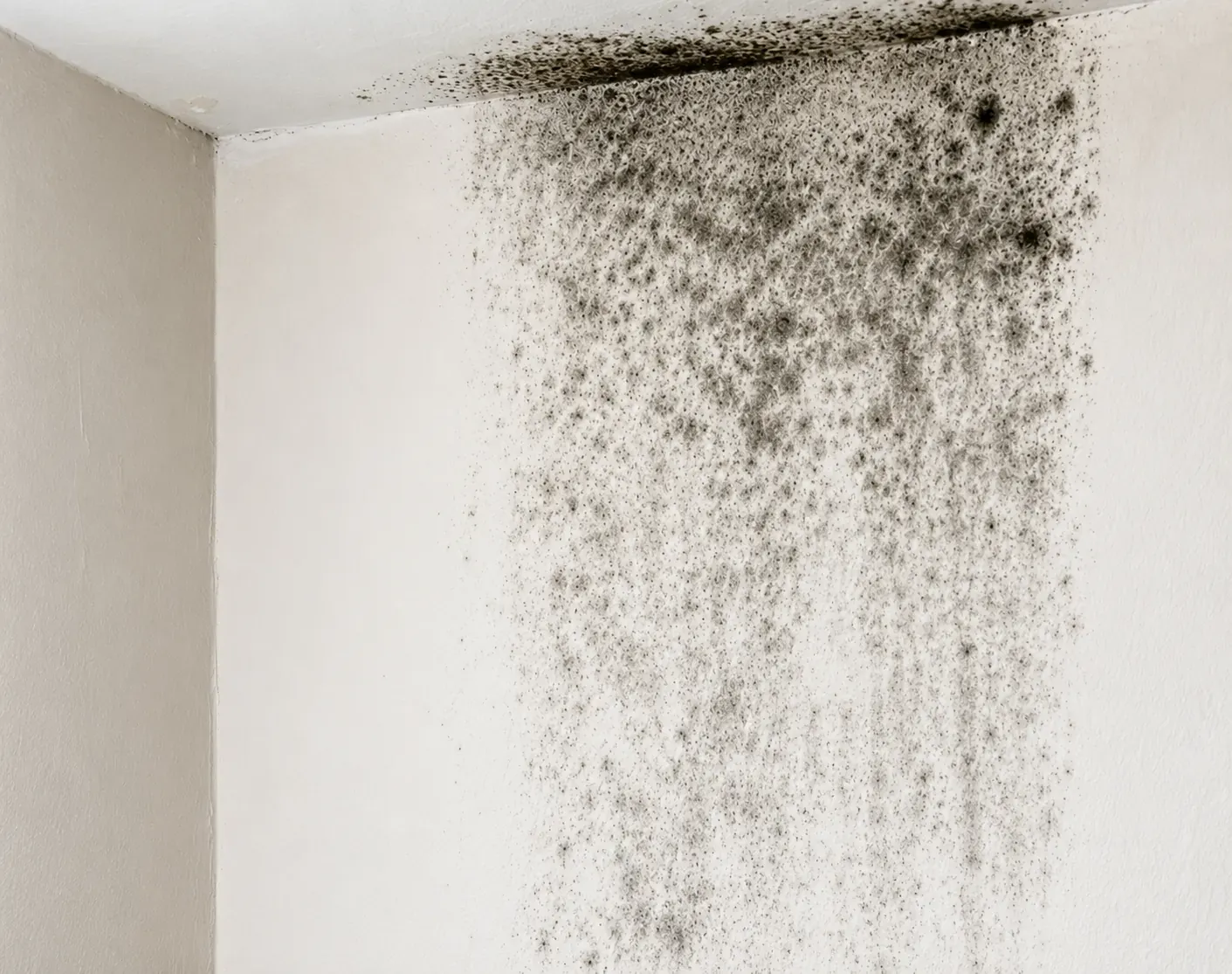
Mould, moisture and dampness are issues that can affect many homes, often developing gradually and without immediate visibility. In many cases, what appears on the surface is only a small part of a broader moisture-related condition within the building.
Mould requires moisture to grow, and where materials such as timber, plasterboard, insulation or carpets remain damp, mould can begin to develop relatively quickly. This is particularly common in areas with limited ventilation where moisture remains trapped for extended periods. The presence of mould is generally an indication that moisture has been present for some time rather than being a sudden occurrence.
The source of that moisture can vary depending on the property. In some cases, it may be linked to plumbing leaks, roof leaks or defective waterproofing in wet areas. In others, it may be related to rising damp or ongoing condensation caused by poor ventilation. It is not uncommon for a combination of these factors to contribute to the issue, particularly in bathrooms, kitchens, subfloors and roof spaces.
One of the more challenging aspects of moisture-related problems is that they often develop in concealed areas. Moisture can be present within wall cavities, ceiling spaces or subfloor areas long before any visible signs appear. By the time a musty odour becomes noticeable or staining appears on walls and ceilings, the underlying conditions have often been present for some time.
Homeowners may notice a range of indicators that suggest moisture is affecting the property. A persistent damp smell indoors is often one of the first signs. This may be accompanied by visible mould growth, discolouration to painted surfaces, peeling paint, condensation forming on windows or deterioration to timber elements. In some cases, materials may begin to swell, warp or show signs of decay as a result of ongoing exposure to moisture.
If these conditions are not addressed, the impact is generally progressive rather than immediate. Continued exposure to moisture can result in the deterioration of building materials, including timber decay, corrosion of metal components and damage to internal linings. Over time, this can lead to more extensive repair work than would have been required if the issue had been identified and addressed earlier.
Moisture within a building can also affect the indoor environment. Mould growth may impact air quality and can contribute to irritation for some occupants, particularly those sensitive to allergens. While the effects can vary, it is generally considered good practice to address moisture-related issues before they become more established.
Managing mould effectively involves more than simply removing what is visible. The underlying source of moisture must be identified and rectified to reduce the likelihood of the issue returning. This may involve investigating roof or plumbing leaks, repairing defective waterproofing, improving drainage around the property or increasing ventilation to affected areas. Ongoing maintenance also plays an important role in preventing recurrence, particularly in areas that are naturally exposed to higher moisture levels.
From an inspection perspective, moisture and mould issues are often more extensive than they first appear. What is visible on the surface is frequently only an indication of conditions elsewhere within the structure. Professional inspections can assist in identifying hidden moisture using specialised equipment such as moisture meters and thermal imaging technology, helping to determine both the extent of the issue and the factors contributing to it.
By identifying moisture sources early and understanding how they are affecting the building, homeowners can make informed decisions about appropriate repairs and maintenance. Addressing the cause rather than simply treating the symptoms is the most effective way to protect both the condition of the property and the indoor environment.
If you’re concerned about the condition of your home or a specific structure, contact Red Dog Property Inspections. We’re here to help ensure your property remains safe, compliant, and well maintained.
Ready to book your inspection?
Get a fast, clear report from Registered Building Practitioners with 35+ years' experience.