
Inadequate Shower Falls - When Water Doesn't Drain Properly
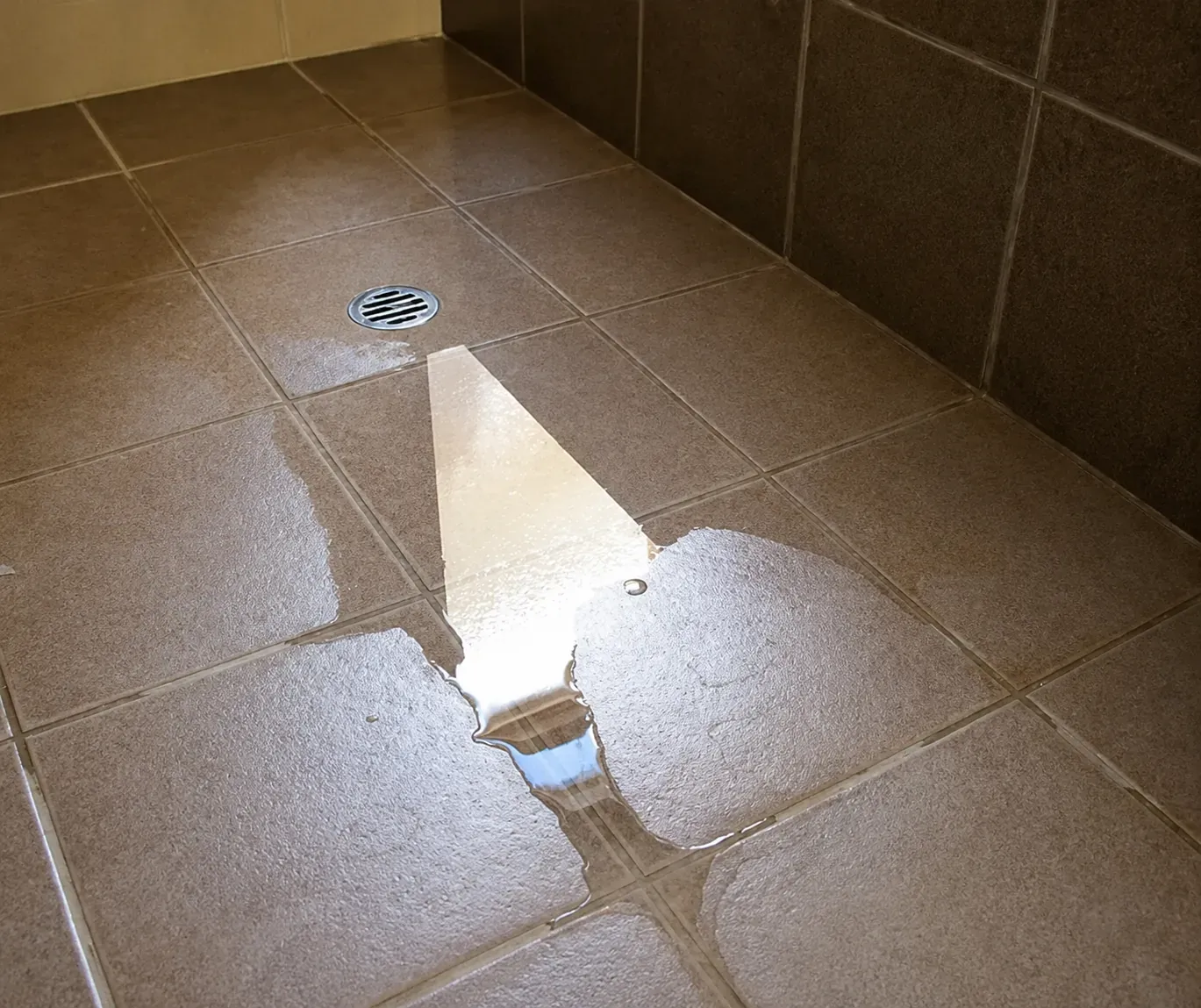
Water pooling on shower floors after use is a common issue identified during property inspections. While it may appear to be a minor inconvenience, inadequate shower falls can indicate installation defects that may lead to ongoing moisture problems and costly repairs if left unresolved.
Shower floors are designed to direct water efficiently towards the floor waste. This is achieved by creating a consistent fall, or gradient, within the tiled surface. When the floor has insufficient fall, or the falls have been formed incorrectly, water may collect in low spots rather than draining away as intended.
The problem often becomes apparent after the shower has been used. Small puddles may remain on the tiles long after the water has been turned off, particularly along walls, in corners, or around the perimeter of the shower base. In some cases, water may even flow away from the waste and toward adjoining bathroom areas.
There are several reasons why inadequate falls occur. The most common cause is poor workmanship during the installation process, where the substrate or screed has not been formed correctly before tiling. In new homes, this issue can sometimes be identified during Practical Completion Inspections, allowing defects to be addressed before handover.
Although standing water may not seem significant initially, prolonged moisture exposure can create a range of problems. Water that remains on tiled surfaces can accelerate grout deterioration, contribute to mould and mildew growth, and increase the risk of moisture penetrating beneath the tiles. Over time, this may place additional stress on the waterproofing system and increase the likelihood of water damage to surrounding building elements.
Australian Standards require wet areas to be constructed so that water drains effectively to the floor waste. When drainage performance is compromised, further investigation may be required to determine the extent of the issue and the most appropriate repair method.
Rectification options vary depending on the severity of the defect. Minor issues may be addressed through localised repairs; however, significant fall deficiencies often require removal and replacement of tiles and the underlying screed to achieve compliant drainage.
At Red Dog Property Inspections, we assess wet areas for both visible defects and functional performance. Poor drainage, water ponding, and inadequate falls are common indicators of workmanship issues that may warrant further attention.
If you're building, buying, or maintaining a property and have concerns about bathroom performance, a professional inspection can help identify potential defects before they develop into more significant problems.
How Red Dog Property Inspections Can Help
Our inspections identify defects that may affect the performance, durability, and value of your property. Whether you're purchasing an established home, building a new home, or investigating moisture-related concerns, we provide clear, independent advice to help you make informed decisions.
Ready to book your inspection?
Get a fast, clear report from Registered Building Practitioners with 35+ years' experience.