
Ensuring Safety with Toilet Door Hinges
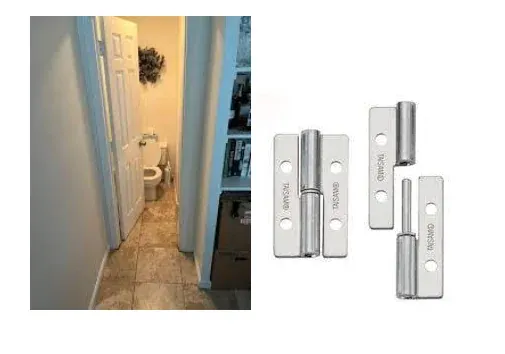
In the realm of home safety and compliance with Australian building laws, even the smallest details can make a significant difference. One such detail is the installation of safety hinges on toilet doors (water closets or WCs). Ensuring that your toilet door meets these regulations is not just about compliance; it is about ensuring that safe access is available in case of emergencies. Here’s what you need to know about the importance of safety hinges and how they contribute to overall safety in your home.
Understanding the Building Codes
Current Australian building regulations stipulate that toilet doors must be easily removable from the outside in emergency situations. This requirement applies primarily when the space between the toilet pan and the door is less than 1200mm. In situations where someone is incapacitated inside the toilet, swift and uncomplicated access is critical.
To comply with these regulations, toilet doors must be designed to open outwards, slide, or have a mechanism that allows them to be readily removable from outside the compartment. This ensures that help can be provided without delay in urgent situations—such as someone fainting or requiring immediate medical assistance inside the toilet.
The Role of Safety Hinges
Typically, inward-swinging toilet doors equipped with lift-off hinges have a small gap between the top of the door and the head of the door frame. This gap is intentional, allowing for enough upward movement so that the pin in the door hinges can slip out of the hinge blades secured to the door frame. With appropriately installed safety hinges, a locked door can still be lifted upward and removed quickly, offering an effective solution for emergency access.
If safety hinges are missing, the door could become a major obstacle during an emergency, potentially leading to delays in essential help. In such cases, even if the door is locked, it may not be possible to remove it without significant effort, compromising the safety of the individual inside.
Importance of Compliance and Installation
Given the critical role that safety hinges play in ensuring compliant and safe restroom access, it is essential to act swiftly if they are missing from your toilet door. Here are the steps you should take:
- Immediate Assessment: Inspect your toilet door to determine if safety hinges are installed. If they are absent, or if the door does not meet the requirements mentioned above, it’s essential to take action.
- Hire a Qualified Carpenter: Installation of safety hinges requires professional expertise. Engage a qualified carpenter who can ensure that the hinges are correctly installed in compliance with Australian building laws. This will not only enhance safety but also provide peace of mind knowing that your home adheres to legal requirements.
- Regular Checks: After installation, routinely check that the door and hinges are functioning correctly. Regular maintenance can prevent wear and ensure that the safety mechanisms remain effective over time.
Conclusion
The significance of safety hinges on toilet doors cannot be overstated. They play a vital role in ensuring emergency access and compliance with Australian building codes. Homeowners should prioritize the installation of these hinges to enhance safety and protect the well-being of all occupants. If you discover that your toilet door lacks safety hinges, do not delay in rectifying the issue. Invest the time and resources to engage a qualified carpenter for installation. By doing so, you contribute to a safer living environment while adhering to essential building standards. Remember, safety in the home should always be a top priority.

Ready to book your inspection?
Get a fast, clear report from Registered Building Practitioners with 35+ years' experience.