
Child-Proofing Windows and Stairs
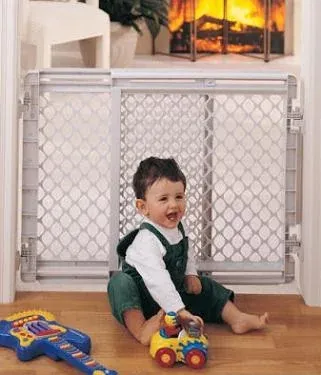
Falls remain one of the leading causes of non-fatal injuries for children, with many young children ending up in emergency departments every year due to accidents in and around the home. While slips and falls may seem minor to adults, the risks are much greater for children because of their smaller size and the relative height involved in a fall. What might seem like a short distance to an adult can be far more dangerous for a child.
As children grow and explore their surroundings, areas such as staircases and windows become some of the most important parts of the home to assess for safety. With proper planning and a few practical safety measures, many of these risks can be significantly reduced.
Staircases are one of the most common areas where accidents occur, particularly for infants and toddlers who are still learning balance and coordination. Installing a properly secured safety gate can help prevent young children from accessing stairs unsupervised. Pressure-mounted gates may be suitable between rooms, however hardware-mounted gates are generally recommended for stairways because they provide a stronger and more secure fixing.
As children grow older, handrails and balustrades become another important consideration. Large gaps between balusters or railings can create serious hazards if a child attempts to climb or becomes trapped. Openings should not allow objects larger than 125mm to pass through, as wider gaps can increase the risk of injury.
Windows can also present significant dangers, particularly in double-storey homes or rooms located above ground level. Children are naturally curious, and furniture positioned near windows can make climbing easier. Beds, chairs, and other climbable furniture should be kept away from windows wherever possible.
Window safety devices such as childproof latches, window stops, and window guards can greatly reduce the risk of falls. Window stops help restrict how far a window can open, while guards provide a protective barrier without preventing ventilation. Openings should generally not exceed 125mm to reduce the chance of a child passing through. It is also important to remember that flyscreens are not designed to prevent falls and should never be relied upon as a safety barrier.
Creating a safer environment for children does not always require major renovations or expensive upgrades. In many cases, simple preventative measures and attention to common hazards can make a significant difference. Childproofing key areas of the home can help minimise risks while giving parents greater peace of mind.
At Red Dog Property Inspections, we understand the importance of creating a safe home environment for families. Our inspections can help identify potential safety concerns and provide practical recommendations to improve child safety throughout the property.

Ready to book your inspection?
Get a fast, clear report from Registered Building Practitioners with 35+ years' experience.