
Basic Waterproofing for Basements
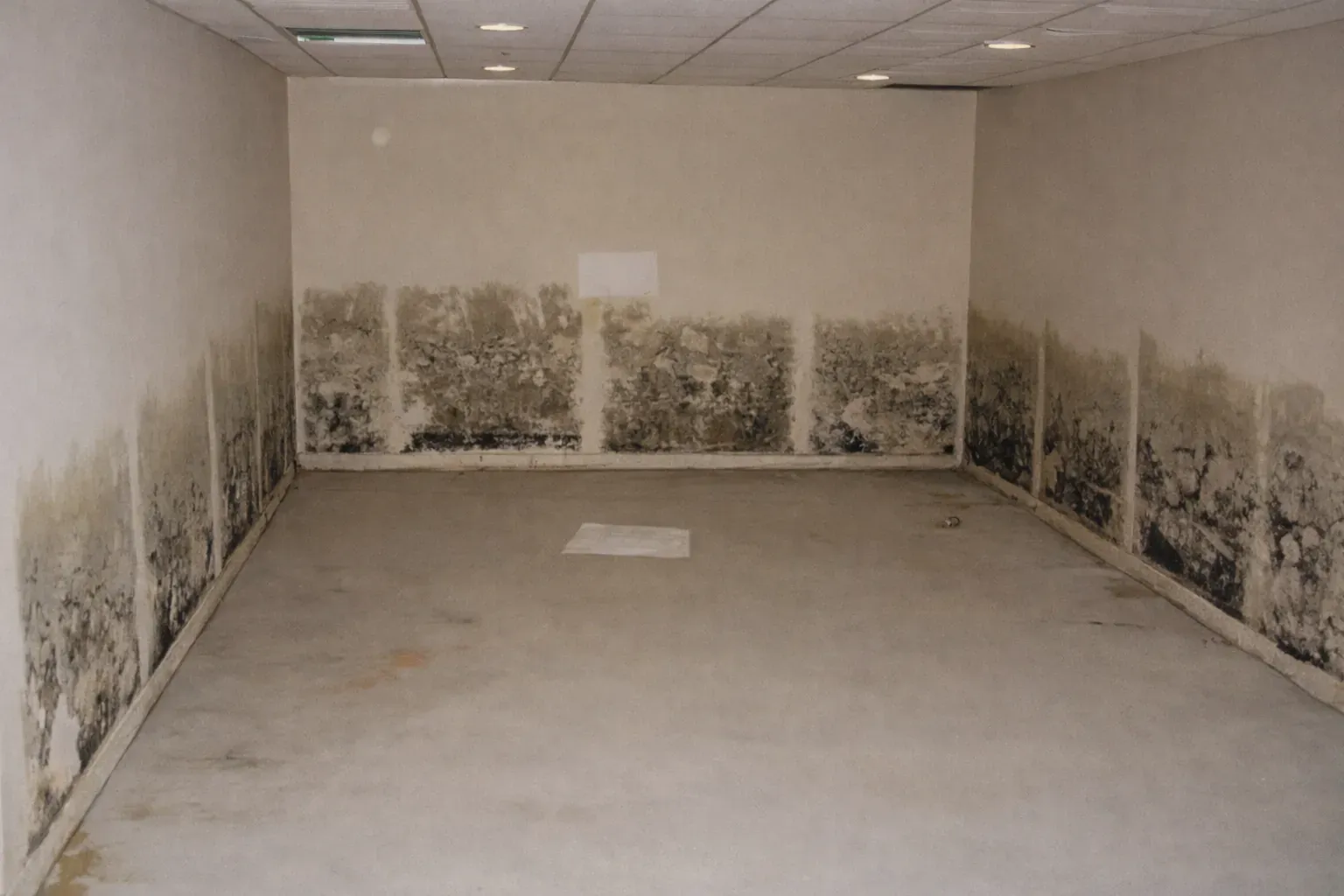
Basements aren’t as common in Australian homes as they are overseas, but they do appear in split-level designs, older properties, and some modern builds. When they’re present, they can also be one of the most vulnerable areas of the home when it comes to moisture. Proper waterproofing is essential to protect not just the basement itself, but the overall condition of the property.
Because basements sit below ground level, they are constantly exposed to surrounding soil that retains water after rainfall. If that moisture isn’t effectively managed, it can gradually make its way inside and lead to a range of issues over time.
Understanding the Issue
In simple terms, basement moisture problems come down to water and pressure.
Soil naturally absorbs and holds water. After rain—particularly in areas with clay soils—the ground around a home can become saturated. This creates pressure against basement walls, commonly referred to as hydrostatic pressure. Over time, this pressure can force moisture through small gaps, joints, and even porous concrete.
Water doesn’t always need visible cracks to enter. It can move through concrete via capillary action, meaning even solid-looking walls may allow moisture to pass through. In many cases, the issue isn’t just the structure itself, but how water is managed around the home.
Poor drainage, ineffective downpipes, and incorrect ground levels are all common contributing factors we see during inspections.
Signs to Look For
Moisture issues in basements don’t always present as obvious leaks. Early signs are often subtle and easy to overlook:
- Damp or musty odours
- Peeling paint or bubbling finishes on lower wall sections
- Discolouration or staining on walls and floors
- White powdery residue (efflorescence) on masonry surfaces
- Visible mould growth
- Warping or deterioration of skirting boards or timber elements
- Persistent condensation or damp patches
Noticing these early can make a significant difference in preventing more extensive damage.
Risks if Left Unaddressed
If basement moisture problems are left unresolved, they can lead to broader issues affecting both the structure and the liveability of the home.
From a structural perspective, prolonged exposure to moisture can weaken building materials. Timber elements may rot, metal components can corrode, and concrete may begin to deteriorate over time.
There are also health considerations. Damp environments create ideal conditions for mould growth, which can impact indoor air quality and contribute to respiratory concerns.
Financially, what starts as a minor moisture issue can escalate into costly repairs. Addressing early-stage problems is generally far more manageable than dealing with significant structural or water damage later on.
Steps to Take
If you suspect moisture issues in your basement, taking a practical and measured approach is key:
- Inspect and identify the extent Check walls, floors, and corners for visible signs of moisture. Pay attention to when the issue appears—such as after rainfall—as this can help identify the source.
- Consult a qualified professional Engage a suitable professional such as a builder, waterproofer, or drainage specialist to assess the situation and recommend appropriate solutions.
- Repair or rectify appropriately This may include sealing cracks, applying waterproof membranes, improving subfloor ventilation, or installing drainage systems depending on the cause.
- Prevent future issues Ensure gutters and downpipes are functioning correctly, direct water away from the home, and maintain proper ground levels so water drains away from the structure. Regular maintenance plays a significant role in long-term protection.
Professional Inspection Context
Basement moisture issues are not always visible on the surface. In many cases, what you can see is only a small part of a larger underlying problem.
A professional property inspection can help identify early-stage concerns before they become more serious. Inspectors assess not just visible damage, but also contributing factors such as drainage, ventilation, and construction details.
Understanding these elements provides a clearer picture of the home’s condition and helps homeowners make informed decisions about maintenance and repairs. It’s a practical way to protect both the safety and long-term value of the property.
Conclusion
If you’re concerned about the condition of your home or a specific structure, contact Red Dog Property Inspections.
At Red Dog Property Inspections, we’re here to help you keep your home safe, compliant, and well maintained.
Ready to book your inspection?
Get a fast, clear report from Registered Building Practitioners with 35+ years' experience.