
Asbestos in the Home
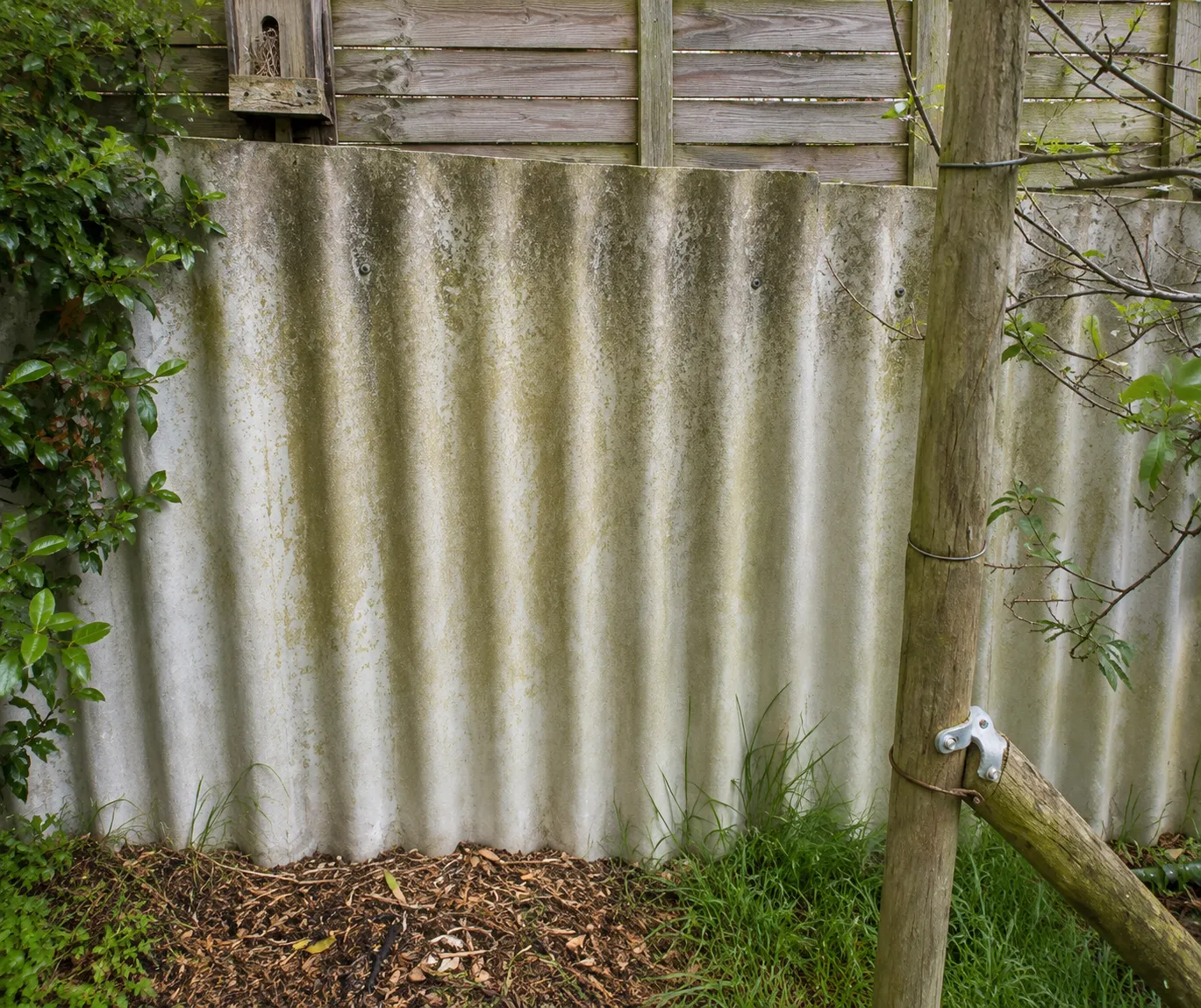
Asbestos is something that still comes up regularly during property inspections, particularly in older homes. If a property was built or renovated before 1990, there is a possibility that asbestos-containing materials may be present within the building.
Asbestos was widely used throughout Australian construction for many years because of its durability, strength and resistance to heat and fire. As a result, asbestos-containing materials can still be found in many established homes, sometimes in locations where homeowners may not expect them.
Common areas where suspected asbestos-containing materials may be encountered include wall and ceiling linings, eaves and soffits, roofing products, external cladding, wet-area linings, pipework and some materials located beneath older floor coverings. In many cases, these materials can remain in place for decades without presenting an immediate concern while they remain intact, sealed and undisturbed.
The greater concern arises when asbestos-containing materials become damaged, deteriorated or disturbed. Renovation and maintenance activities such as cutting, drilling, sanding, grinding or removing materials can potentially release microscopic asbestos fibres into the air if the material contains asbestos.
These fibres cannot be seen with the naked eye, which is one of the reasons asbestos needs to be treated cautiously. Simply looking at a building material is generally not enough to determine whether asbestos is present.
During a property inspection, an inspector may identify materials that appear consistent with products historically known to contain asbestos. However, visual identification alone cannot confirm whether a material contains asbestos. Confirmation requires appropriate sampling and laboratory analysis.
This becomes particularly important when renovations, demolition or maintenance work is being considered. A seemingly ordinary wall sheet, eave lining or flooring material may look very similar to a modern asbestos-free product. Disturbing the material before it has been properly assessed can create an unnecessary risk.
The age of the property can provide useful context, but it should not be relied upon by itself. A home may have undergone numerous renovations and additions throughout its life, meaning older and newer building materials can often be found within the same property.
From an inspection perspective, identifying suspected asbestos-containing materials is about helping property owners and buyers better understand the potential risks associated with a building. Where suspect materials are observed, further assessment and, where appropriate, laboratory testing can provide greater certainty before renovation or maintenance work begins.
Finding suspected asbestos within an older home does not automatically mean the material needs to be removed. Its condition, location and likelihood of being disturbed are important considerations. The key is knowing that it may be there and managing it appropriately rather than accidentally disturbing it.
If you are purchasing an older property, planning renovations or are concerned about materials within your home, Red Dog Property Inspections can help identify areas that may warrant further investigation.

Ready to book your inspection?
Get a fast, clear report from Registered Building Practitioners with 35+ years' experience.