
Annual Deck Safety Check
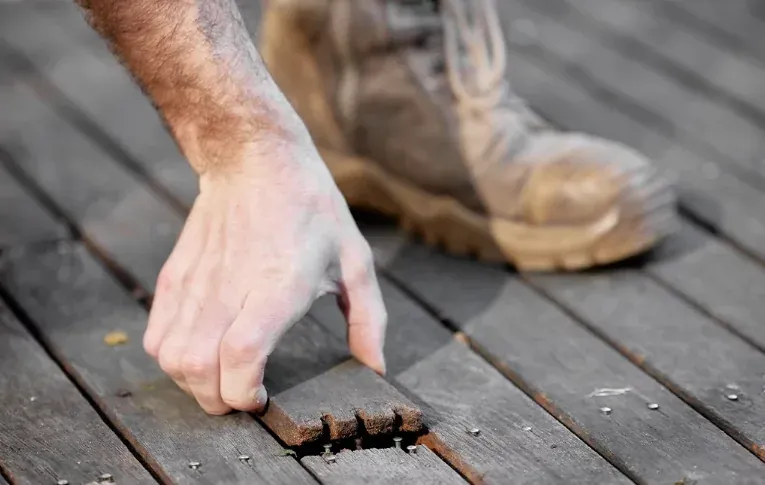
As the weather cools and we move into the winter months, now is a great time to take stock of your home’s exterior and make sure everything is ready to withstand the season ahead. One area that’s often overlooked is your deck—but even when it’s not in daily use, it still needs attention. Wet and windy conditions can take a toll, especially if your deck is already showing signs of wear.
Regardless of the materials used in its construction, your deck should be inspected at least once a year. At Red Dog Property Inspections, we know that small problems left untreated can quickly grow into major safety or structural issues. Here’s our simple guide to help you carry out a thorough winter-ready inspection of your deck.
Start by examining the deck boards for any signs of splitting, warping, or rotting. These issues can create hazards and often indicate water damage or poor drainage. Moisture can cause timber to swell and shrink repeatedly, which leads to long-term structural weakness. Use a screwdriver or wood awl to gently probe any soft areas and look out for signs of decay or insect activity.
Keep an eye out for mould and mildew as well. With shorter days and less direct sun, damp areas on your deck may not dry out as quickly during winter. Mould not only looks unpleasant, but it can also make the surface slippery and increase the risk of rotting.
Check the drainage around your deck. Even if your timber is well-sealed, poor drainage will allow water to collect, especially during heavy rainfall. Make sure your deck slopes slightly shed water, gutters are cleared, and the ground beneath your deck allows for proper runoff.
For timber decking, a quick splash test can tell you if your sealant is still doing its job. Splash some water onto the boards and wait 15 minutes—if the water soaks in instead of beading on the surface, it’s time to reseal or restain to prevent winter moisture from getting in.
Next, walk the deck with a hammer or screwdriver in hand and check for any loose nails or screws. It’s a simple task but securing them now can prevent injuries and stop fasteners from working their way further loose over time.
Railings and balustrades are essential for safety, especially in the slippery winter months. Give them a firm shake to ensure they’re stable. Any looseness should be addressed promptly.
Your support posts should also be checked. Look for any movement at the connection points and tighten bolts if necessary. This support is vital to your deck’s stability and shouldn’t be overlooked.
Pay close attention to the flashing and ledger boards where your deck meets the house. Flashing helps redirect water and protect the structural joint. If it’s damaged or missing, moisture can enter and compromise the ledger boards. Reseal or repair flashing and inspect for signs of rot or loose fixings.
If you have outdoor power sockets near your deck, ensure they’re GFI-protected and test them using the built-in buttons. These devices are particularly important during the wetter months, when electrical safety is paramount.
Finally, look overhead. Overhanging branches should be trimmed back to reduce the risk of falling limbs during storms and to help keep your deck surface clean of spaghetti and debris.
Taking time now to carry out these checks can prevent costly damage and help keep your deck safe and solid through winter and beyond. And if you’re not quite sure what to look for, or if you’d prefer a professional opinion, we’re just a phone call away.
At Red Dog Property Inspections, we bring over 35 years of hands-on experience to every inspection. We know how to spot the signs of trouble early and help you plan practical solutions that save you time, money, and stress.
Need a professional eye on your deck this winter? Get in touch—we’re here to help keep your property safe, sound, and ready for whatever the season brings.

Ready to book your inspection?
Get a fast, clear report from Registered Building Practitioners with 35+ years' experience.